
If you are searching how to design a garden plan, you are not alone. This question attracts a wide range of people. Keen gardeners. First-time homeowners. Experienced DIY builders. People wanting a full transformation, and others just trying to get unstuck.
What they all share is not a lack of creativity or effort. It is uncertainty about where to start and what level of help makes sense.
The good news is that designing a garden plan is possible for many people. The harder truth is that most projects stall, not because people cannot do it, but because planning alone runs out of energy.
This guide is not about teaching you how to become a landscape designer. It is a decision-making guide to help you choose the right way forward for your situation.

A well constructed veggie garden mixing DIY and professional help
What People Think a Garden Plan Is
Most people assume a garden plan is about:
Choosing plants
Drawing shapes on paper
Picking materials and finishes
That is actually the last part of the process.
Those decisions only work once the bigger thinking is done. When people skip ahead, they often end up redesigning the same garden multiple times without ever building it.
What a Garden Plan Actually Does
A good garden plan does three things before anything is built.
First, it clarifies how the space will be used. Not in abstract terms, but in daily life. Where people sit. Where kids play. How you move through the garden. Where shade, privacy, and storage really matter.
Second, it identifies what is fixed and what is flexible. Levels, boundaries, drainage, and access points rarely change cheaply. Planting and finishes can evolve over time.
Third, it provides sequence. What needs to happen first. What can wait. What can be done in stages without undoing earlier work.
This is where most DIY planning efforts begin to slow down.
The Common Ways People Try to Design a Garden
There are four common approaches. Each can work, depending on where you are at.
Sketching it yourself
This works well for experienced gardeners and builders who are comfortable thinking spatially and understand construction basics. It often fails when ideas remain loose and never become buildable.
Using apps or online tools
Apps are great for visualising ideas. They are far less helpful for decision-making. They create confidence quickly, but rarely answer what to do next or what should happen first.
Buying a planning framework or template
This is where structure enters the picture. A framework gives you a starting point, proven layouts, and guidance without removing flexibility. It reduces thinking load and helps momentum build.
Hiring a professional designer
This makes sense when projects are complex, regulated, or time constrained. It can also feel like overkill if you simply need direction and confidence to get moving.
The right choice depends less on budget than on momentum.
The First Line in the Sand: Stalling
The clearest sign you need help is not lack of ideas. It is procrastination.
Confusion, endless tweaking, and weeks of no action usually mean the project has lost energy. At this point, continuing to think alone rarely fixes the problem.
Bringing in an external voice can be surprisingly motivating. Another human introduces:
Accountability
New perspective
Clear next steps
A sense of forward motion
This is why many projects suddenly move once someone else becomes involved, even briefly.
The Second Line in the Sand: Serious Construction
Some parts of gardens stop being planning questions and become construction questions.
Retaining walls, level changes, structures, drainage, and anything requiring Australian Standards or permits should not be approached casually. These elements need correct detailing, safe construction, and often professional delivery.
Designing these without experience increases risk, cost, and rework. This is where professional involvement is not just helpful, but necessary.
Where Gramina Fits
Gramina Garden Plans are designed to work best at the outset, when projects need a kickstart.
They remove the blank page problem. They provide structure, sequencing, and best-practice guidance before confusion sets in. For many people, this early clarity is what turns intention into action.
Gramina does not stop being useful once construction begins. The plans continue to act as a reference during the build, helping guide decisions, clarify sequencing, and reinforce good practice through build notes and details.
Think of it as having an affordable professional presence alongside you. Not replacing your judgement, but quietly keeping things moving forward and making the next step obvious.
A Practical Way Forward
You can design your own garden plan. Many people do.
But when planning becomes heavy, when progress stalls, or when construction turns technical, having structure and guidance changes everything.
Explore the Gramina Garden Plans and Additional Moments below to find a clear starting framework that helps you move from ideas to action. Whether you build everything yourself, bring in help selectively, or hand parts to a contractor, the goal is the same.
A garden that actually gets built, performs well over time, and respects both your budget and your energy.
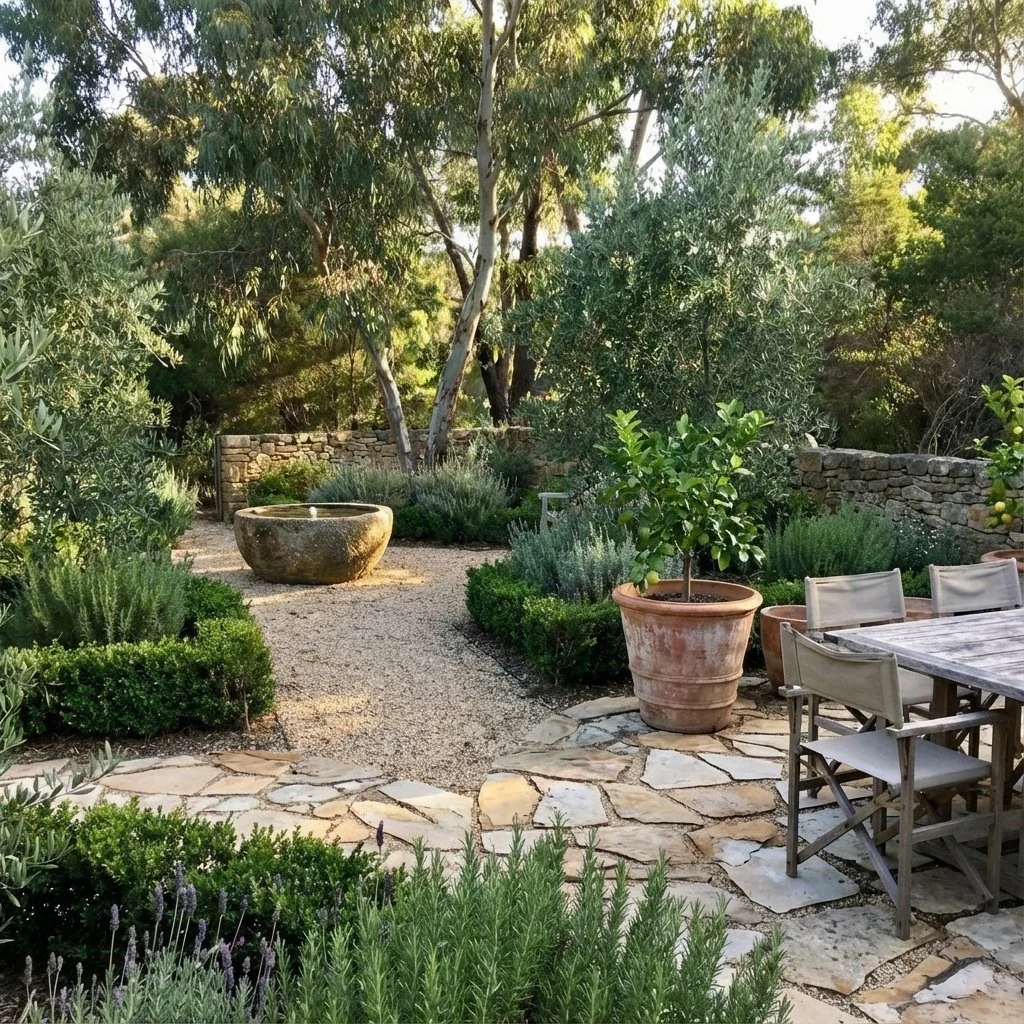
A relaxed, shaded garden inspired by Mediterranean living, shaped for Australian conditions.
A Mediterranean garden plan in an Australian context is about atmosphere, rhythm, and ease. It supports long afternoons outdoors, shared meals, and the simple pleasure of lingering outside. The design balances sun and relief, openness and enclosure, creating a garden that feels comfortable and usable across the seasons. Natural, honest materials give the space weight and timelessness, while resilient planting ensures the garden remains beautiful through heat and dry periods. The result is a warm, social setting grounded in everyday outdoor living.
What’s included in your Mediterranean Garden Plan
Bespoke Concept Layout — a clear, site-specific layout shaping relaxed outdoor spaces for everyday use.
Planting Palette — hardy, climate-suited plants selected for longevity, texture, and Mediterranean character.
Materials, Finishes & Lighting — natural surfaces and warm lighting that age well and feel timeless.
Build Notes — guidance to help you understand installation steps, sequencing, and key considerations when bringing the plan to life.
Additional Moments (Optional) — any add-ons you choose will be integrated seamlessly into your bespoke concept plan.
After purchasing this Gramina Garden Plan, you’ll complete a short form with your site details. We’ll review everything to confirm the plan is a good fit for your property and climate. If anything doesn’t align, we’ll reach out to discuss options and ensure you get the right outcome for your garden.
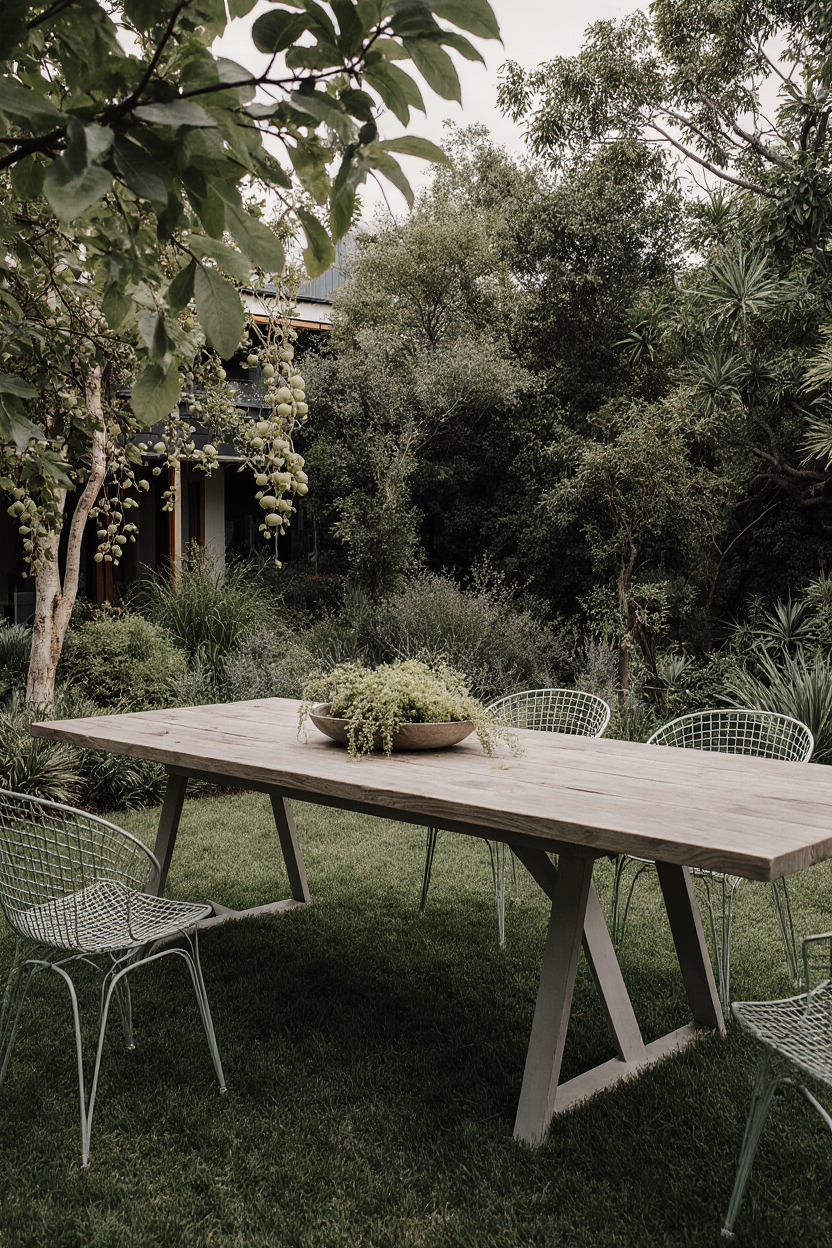
A simple, grounded garden plan inspired by the Australian bush — relaxed, resilient, and deeply connected to place.
Grounded Bush Garden captures the feel of the Aussie bush: informal paths, natural groupings of native shrubs, soft groundcovers, and a palette that feels unmistakably Australian. This plan embraces the textures, tones, and structure of our native landscapes, using hardy species that thrive with minimal care while supporting local wildlife. The layout is intentionally simple and low-intervention, creating a calm, open garden that feels natural rather than overly designed.
What’s included in your Grounded Bush Garden Plan
Bespoke Concept Layout — a relaxed, bush-inspired structure with natural flow and soft transitions.
Planting Palette — hardy natives selected for resilience, local ecology, and gentle bushland character.
Materials, Finishes & Lighting — grounded, natural materials and subtle lighting that complement native landscapes.
Build Notes — guidance for informal pathways, planting groupings, spacing, and long-term native care.
Additional Moments (Optional) — seamlessly integrated based on the Easy Native Living aesthetic.
After purchasing this Gramina Garden Plan, you’ll complete a short form with your site details. We’ll review everything to confirm the plan is a good fit for your property and climate. If anything doesn’t align, we’ll reach out to discuss options and ensure you get the right outcome for your garden.
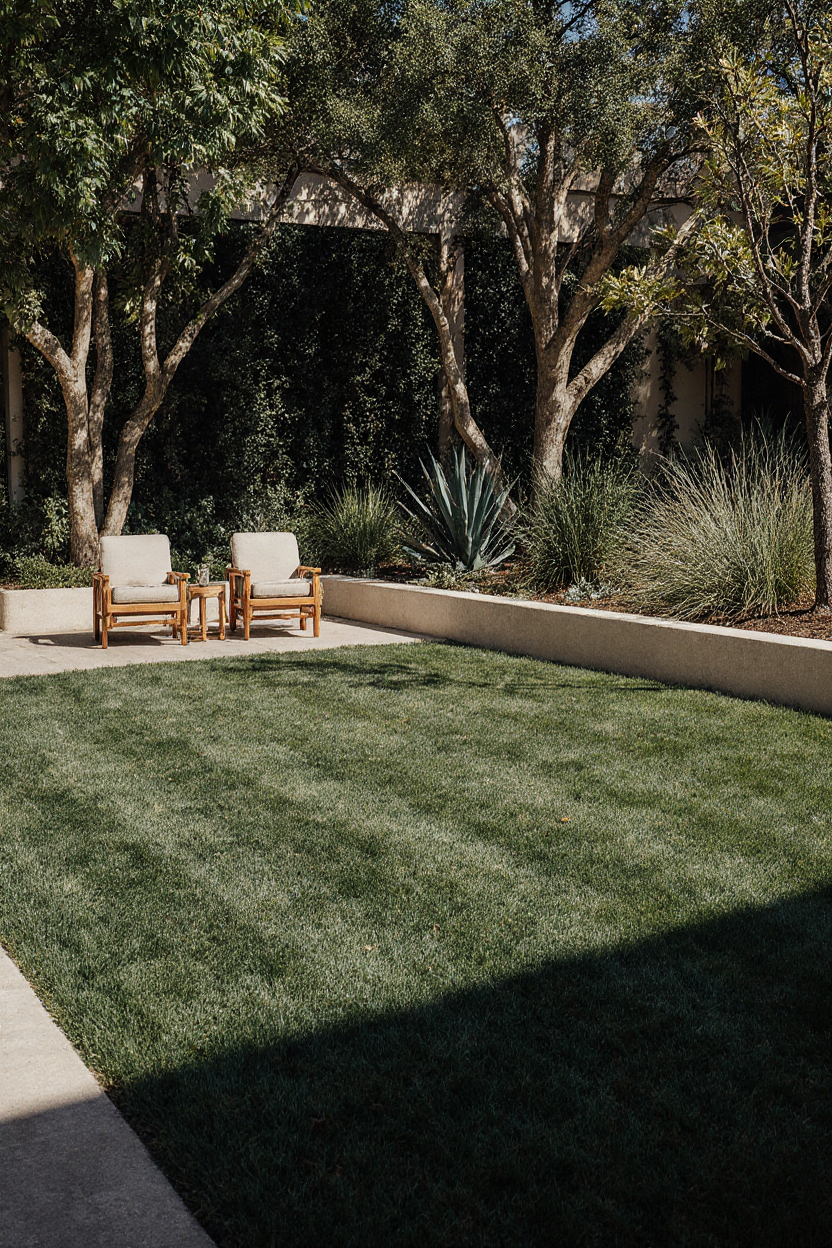
A low-maintenance garden plan designed for simple living. Durable, adaptable, and easy to care for.
A low-maintenance garden plan focuses on straightforward layouts and reliable planting that look good with minimal effort. Hardy natives and exotics, compact shrubs, and tough ground covers are selected for durability, low water use, and minimal pruning. Simple materials and clear structure keep the garden tidy and resilient over time, making it a practical choice for busy households, property owners, or anyone wanting an outdoor space that quietly works in the background.
What’s included in your Low Maintenance Plan
Bespoke Concept Layout — a clear, simple design structured for low maintenance and durability.
Planting Palette — a selection of hardy, drought-tolerant plants curated to suit your climate and the Low Maintenance theme.
Materials, Finishes & Lighting — recommended surfaces, fixtures, and lighting choices that support simple, long-lasting outdoor spaces.
Build Notes — guidance to help you understand installation steps, sequencing, and key considerations when bringing the plan to life.
Additional Moments (Optional) — any add-ons you choose will be integrated seamlessly into your bespoke concept plan.
After purchasing this Gramina Garden Plan, you’ll complete a short form with your site details. We’ll review everything to confirm the plan is a good fit for your property and climate. If anything doesn’t align, we’ll reach out to discuss options and ensure you get the right outcome for your garden.