
How much are landscape design fees and what should you actually be paying?
Landscape design fees vary widely, and much of the confusion comes from misleading pricing shortcuts and a lack of transparency about what design actually involves. Many people struggle to understand why quotes differ so dramatically, or what they are actually paying for when they engage a designer.
If you are trying to work out what is reasonable to pay for landscape design, this guide breaks down the real drivers of cost and gives you practical benchmarks you can rely on.

A garden in construction
Why square metre rates are unreliable
Landscape design is often quoted per square metre, but this is a poor way to estimate cost before a design is complete. While it sounds objective, it ignores the most important factor in design effort.
A square metre of lawn is not the same as a square metre of pool, paving, or retaining wall. Two gardens of the same size can require completely different levels of thinking, coordination, and responsibility. A flat backyard with grass and garden beds is fundamentally simpler than a small courtyard packed with drainage, levels, lighting, and built elements.
Square metre rates flatten all of this complexity into a single number. They encourage false comparisons and almost always underestimate what is actually required once the design is properly resolved.
What really determines landscape design fees
Landscape design fees are driven by effort, responsibility, and risk rather than land area alone. The following factors tend to have the biggest influence on price.
Complexity
The more moving parts a garden has, the more time it takes to design. Levels, structures, water features, lighting, irrigation, and drainage all increase coordination and detailing requirements.
Size
Larger sites usually involve more elements and more decisions, even if the design language itself is restrained. Size rarely works in isolation, but it does increase workload when paired with complexity.
Level of detail
There is a significant difference between a loose concept sketch and a fully documented set of drawings. The more certainty you want for pricing and construction, the more design time is required.
Customisation
Highly tailored designs take longer than adapting proven layouts or frameworks. Bespoke detailing, unusual sites, and unique briefs all add time and responsibility.
Planning and building permits
If council approvals, overlays, engineers, or certifiers are involved, fees increase to cover coordination and compliance. This work often sits outside what people expect when they hear the word design.
Speed
Short timeframes come at a premium. Compressing a program usually means prioritising one project at the expense of others.
Reputation
Some designers charge more based on profile alone. This is not inherently wrong, but it is worth understanding whether you are paying for outcomes, experience, or name recognition.
Distance and travel
Projects far from the designer often cost more due to travel time and fewer opportunities to combine site visits with other work.
Meetings and site visits
In person time adds cost quickly. Projects that can be handled largely online tend to be more efficient and affordable.
A simple way to estimate design fees yourself
Before speaking to a designer, you can make a reasonable estimate of landscape design fees using your construction budget. Many designers base their fees as a percentage of build cost because construction budgets tend to reflect complexity, coordination, and risk.
A common range is 5 to 15 percent of the construction budget, depending on the scope and level of service.
As a guide, this roughly translates to:
$50,000 construction budget → $2,500 to $7,500 design fee
$100,000 construction budget → $5,000 to $15,000 design fee
$200,000 construction budget → $10,000 to $30,000 design fee
These figures are not quotes, but they are useful benchmarks. If a fee sits well outside these ranges, it is reasonable to ask what is driving the difference.
What most homeowners should expect to pay
For an average suburban home on a 400 to 600 sqm block, with a reasonable level of detail and complexity, most people should be budgeting around $10,000 for landscape design.
This typically covers concept design, design development, and enough documentation to price and build the garden with confidence. Simpler projects may come in below this figure, while complex sites or approval driven projects will exceed it.
The real risk of cheap design
Cheap design rarely saves money overall. More often, it shifts cost and risk into construction, where mistakes are far more expensive to fix.
Vague drawings, unresolved details, and missing coordination lead to on site decisions, delays, and variations. Good design fees buy clarity, and clarity is where real savings are made.
A lower risk way to start
If you are unsure about committing to full landscape design services, Gramina Garden Plans offer a practical starting point. They are designed to give you access to professional landscape thinking without the cost or commitment of a bespoke service.
Gramina plans help you understand layout, planting, materials, and priorities early. They can be used as is, adapted over time, or taken to a landscape contractor or designer for further development.
Gramina Garden Plans start at $99 and are a simple way to dip your toe into professional design advice before deciding whether full services are right for you.
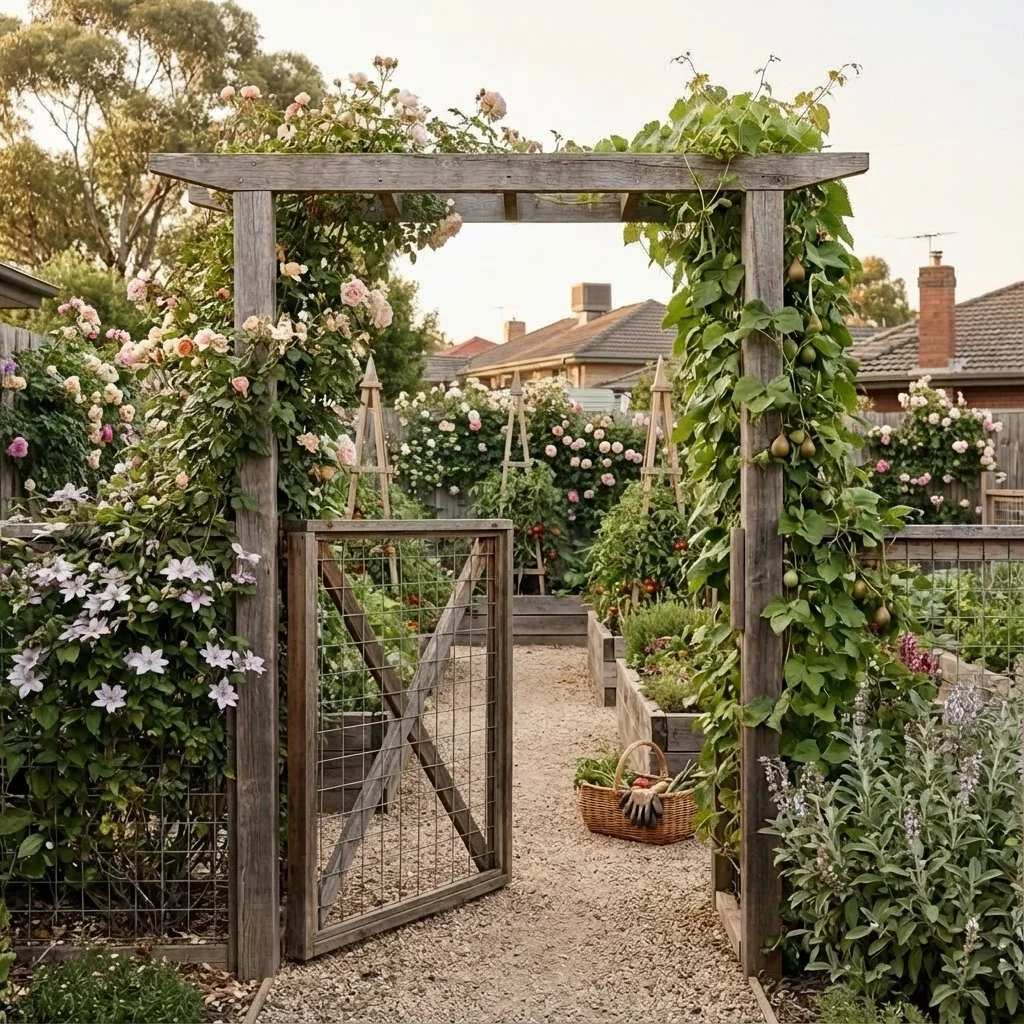
A garden shaped by seasons, habits, and the quiet satisfaction of growing food.
Productive Patch is about settling into a slower, more attentive rhythm — noticing the seasons change, harvesting what’s ready, and building small rituals around growing and eating. It’s the pleasure of stepping outside to check what’s thriving, picking herbs moments before cooking, and gradually becoming someone who lives with the garden rather than managing it. Beneath that feeling sits a clear, considered layout that shows how to arrange a veggie garden for success, working with sun, shade, edges, and access. Beds are positioned to support seasonal crops, perennials, and longer-term producers together, creating strong practical foundations. The result is a garden that feels generous and achievable, where productivity supports everyday life rather than competing with it.ple, resilient layout and styling creates a tidy, appealing outdoor space that suits both long-term rentals and low-impact improvements.
What’s included in your Veggie Garden Plan
Bespoke Concept Layout — A garden layout for your site designed to optimise sunlight, access, and bed arrangement for productive food growing.
Planting Palette — A curated mix of seasonal crops, perennial edibles, and longer-term productive plants suited to your climate and growing conditions.
Materials, Finishes & Lighting — Practical, durable recommendations for beds, paths, edges, and working surfaces that support everyday use and seasonal change.
Build Notes — guidance to help you understand installation steps, sequencing, and key considerations when bringing the plan to life.
Additional Moments (Optional) — any add-ons you choose will be integrated seamlessly into your bespoke concept plan.
After purchasing this Gramina Garden Plan, you’ll complete a short form with your site details. We’ll review everything to confirm the plan is a good fit for your property and climate. If anything doesn’t align, we’ll reach out to discuss options and ensure you get the right outcome for your garden.
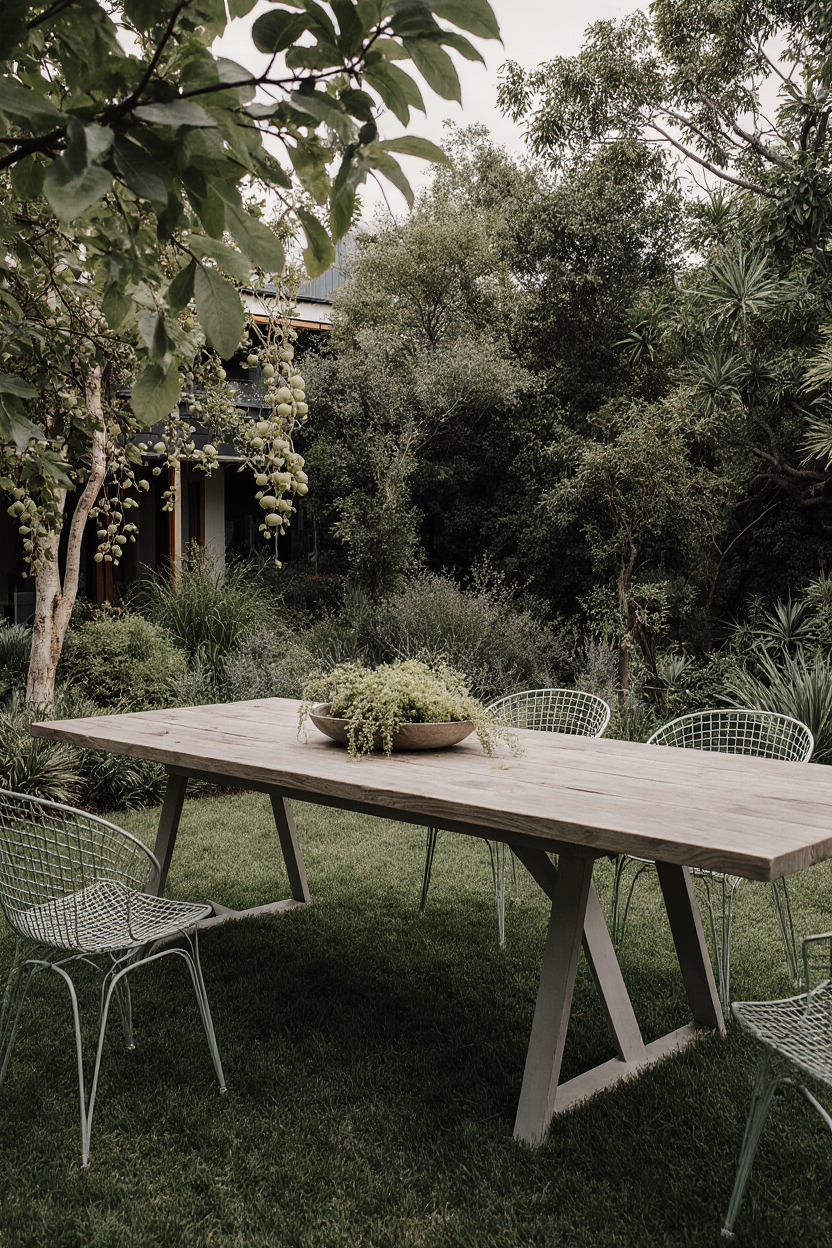
A simple, grounded garden plan inspired by the Australian bush — relaxed, resilient, and deeply connected to place.
Grounded Bush Garden captures the feel of the Aussie bush: informal paths, natural groupings of native shrubs, soft groundcovers, and a palette that feels unmistakably Australian. This plan embraces the textures, tones, and structure of our native landscapes, using hardy species that thrive with minimal care while supporting local wildlife. The layout is intentionally simple and low-intervention, creating a calm, open garden that feels natural rather than overly designed.
What’s included in your Grounded Bush Garden Plan
Bespoke Concept Layout — a relaxed, bush-inspired structure with natural flow and soft transitions.
Planting Palette — hardy natives selected for resilience, local ecology, and gentle bushland character.
Materials, Finishes & Lighting — grounded, natural materials and subtle lighting that complement native landscapes.
Build Notes — guidance for informal pathways, planting groupings, spacing, and long-term native care.
Additional Moments (Optional) — seamlessly integrated based on the Easy Native Living aesthetic.
After purchasing this Gramina Garden Plan, you’ll complete a short form with your site details. We’ll review everything to confirm the plan is a good fit for your property and climate. If anything doesn’t align, we’ll reach out to discuss options and ensure you get the right outcome for your garden.
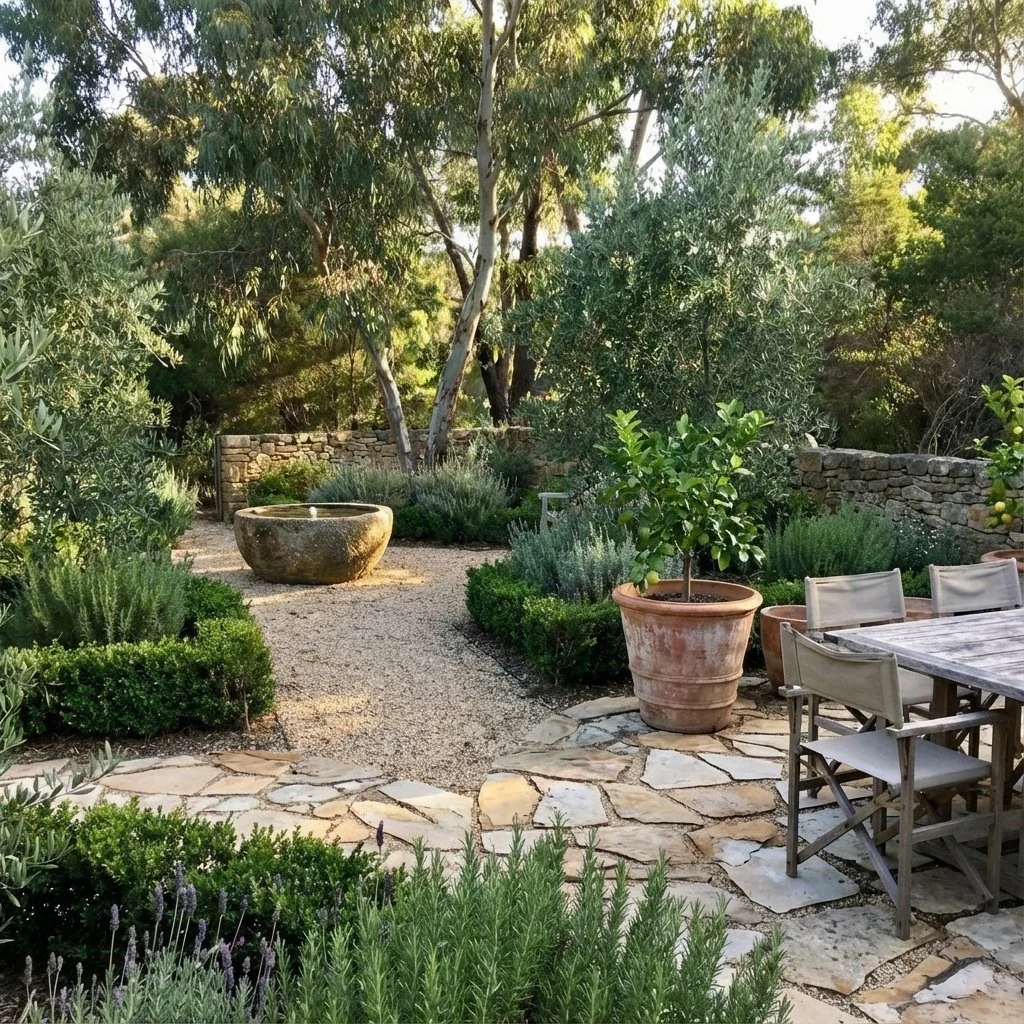
A relaxed, shaded garden inspired by Mediterranean living, shaped for Australian conditions.
A Mediterranean garden plan in an Australian context is about atmosphere, rhythm, and ease. It supports long afternoons outdoors, shared meals, and the simple pleasure of lingering outside. The design balances sun and relief, openness and enclosure, creating a garden that feels comfortable and usable across the seasons. Natural, honest materials give the space weight and timelessness, while resilient planting ensures the garden remains beautiful through heat and dry periods. The result is a warm, social setting grounded in everyday outdoor living.
What’s included in your Mediterranean Garden Plan
Bespoke Concept Layout — a clear, site-specific layout shaping relaxed outdoor spaces for everyday use.
Planting Palette — hardy, climate-suited plants selected for longevity, texture, and Mediterranean character.
Materials, Finishes & Lighting — natural surfaces and warm lighting that age well and feel timeless.
Build Notes — guidance to help you understand installation steps, sequencing, and key considerations when bringing the plan to life.
Additional Moments (Optional) — any add-ons you choose will be integrated seamlessly into your bespoke concept plan.
After purchasing this Gramina Garden Plan, you’ll complete a short form with your site details. We’ll review everything to confirm the plan is a good fit for your property and climate. If anything doesn’t align, we’ll reach out to discuss options and ensure you get the right outcome for your garden.