
How to Design a Garden Layout: 5 Practical Patterns That Work
This guide is for a standard Australian house and garden. Front yard, backyard, and side laneways. It is written so you can sketch a clear, workable layout for your whole property and know which decisions to lock in first. These are firm but flexible patterns distilled from real projects. They are not about style. They are about order, sequence, and avoiding early decisions that cause regret later.
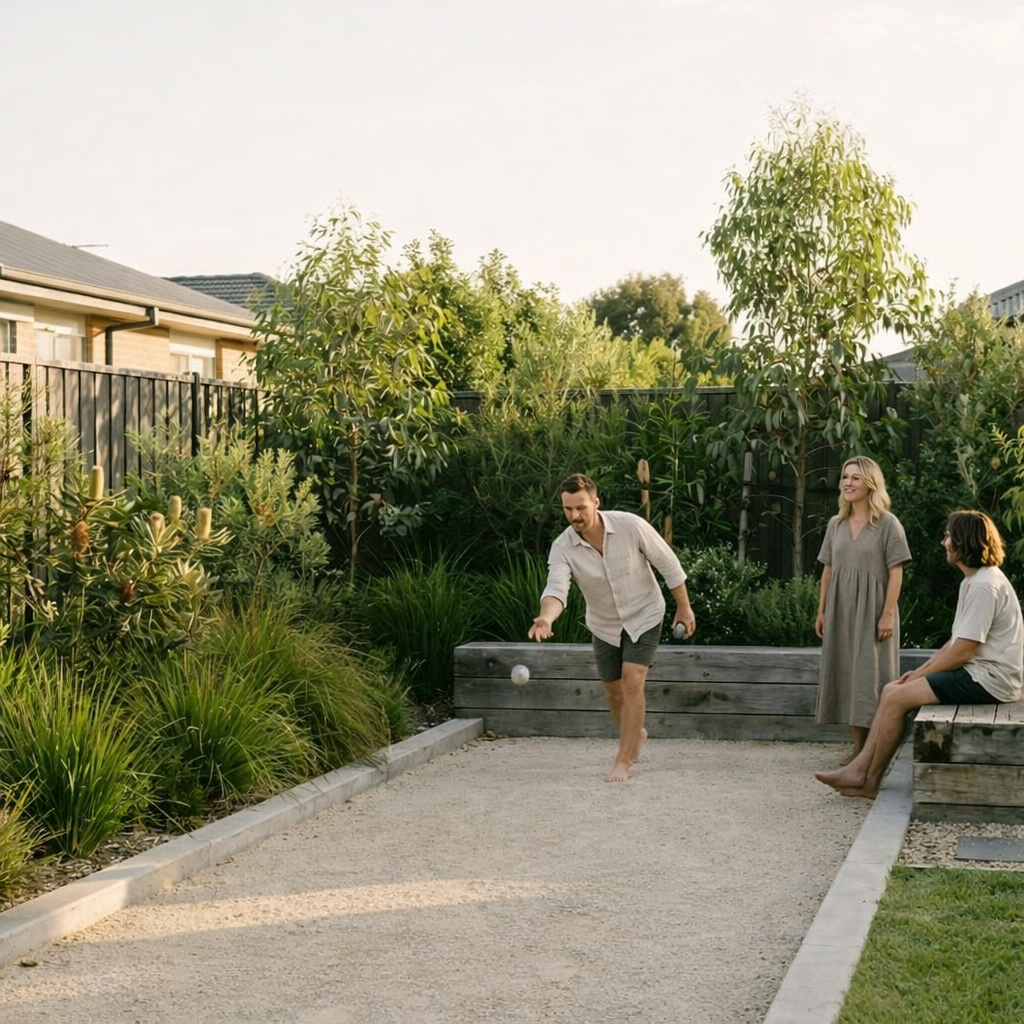
A well planned garden, supporting outdoor play and socialising
Pattern 1: Start With Permanence and Place the Big Rocks First
Every garden sits within elements that are difficult or impossible to change. These include solar access and orientation, slope and landform, the house if it is loved, existing trees worth keeping, and the personalities, habits, and needs of the people who live there. These conditions shape the garden whether you acknowledge them or not.
This is where the rocks-in-a-jar analogy applies. Place the big rocks first, then the smaller rocks, then the sand. Garden design works the same way. Large, fixed elements such as houses, landform, retained trees, and major new elements like decks, pools, sheds, terraces, or large trees define everything that follows.
Practical takeaway: Identify and place the elements that cannot realistically move later before drawing anything else.
Pattern 2: Match Human Use to Microclimate
Sun and shade organise how a garden is actually lived in. Every site contains a mix of sunny, sheltered, exposed, cold, damp, and protected areas, and the layout responds to these conditions rather than fighting them.
Place human use first. Where people sit, bask, retreat on hot days, grow vegetables, gather socially, or find quiet. Where the house opens to the garden and where it should be buffered. When use aligns with climate, the garden supports care and longevity because spaces that feel comfortable are used and looked after.
Practical takeaway: Assign activities to microclimates before thinking about plants, materials, or style.
Pattern 3: Resolve Movement, Edges, and Water Early
Once use is placed, resolve connection. Draw how people, bikes, bins, tools, and animals move through the site, using paths that reflect real behaviour rather than idealised routes. Define edges, boundaries, and transitions between spaces so the layout becomes legible.
At the same time, consider how water sheds, drains, and moves across the garden. Clear movement, edges, and water logic give the garden structure, support construction, and make the space intuitive to use from day one.
Practical takeaway: Draw paths, edges, and water flow early using simple lines and arrows.
Pattern 4: Fill in the Gaps With the Malleable Layer
Once the big rocks are placed and the structure is clear, the sand can flow. This is where garden beds, smaller trees, shrubs, pots, bird baths, rocks, and small moments naturally find their place.
This layer is designed to change. Plants grow, fail, get replaced, and evolve over time. Substitutions happen during construction and new elements arrive later. A strong layout allows this layer to adapt without undoing the structure.
Practical takeaway: Treat planting and small details as flexible elements that respond to the layout rather than define it.
Pattern 5: Design With Construction in Mind From the Start
A garden plan is not just a spatial idea. It is a sequence of work. Design with an understanding of how the garden will actually be built, in what order, and with what access, whether you are highly experienced or completely new to construction.
Large elements such as pools, retaining walls, and structures cannot be moved once installed. Their placement affects access, staging, and every decision that follows. Layouts that account for construction early move forward more smoothly and adapt better over time.
Practical takeaway: Identify what gets built first, what requires access, and what cannot be relocated once installed.
A Simple Next Step
If you want these patterns applied directly to your own site, the Gramina Garden Plans provide a clear starting framework. They translate these principles into practical layouts, sequencing, and build guidance that support DIY, staged construction, and informed decision-making as your garden evolves.
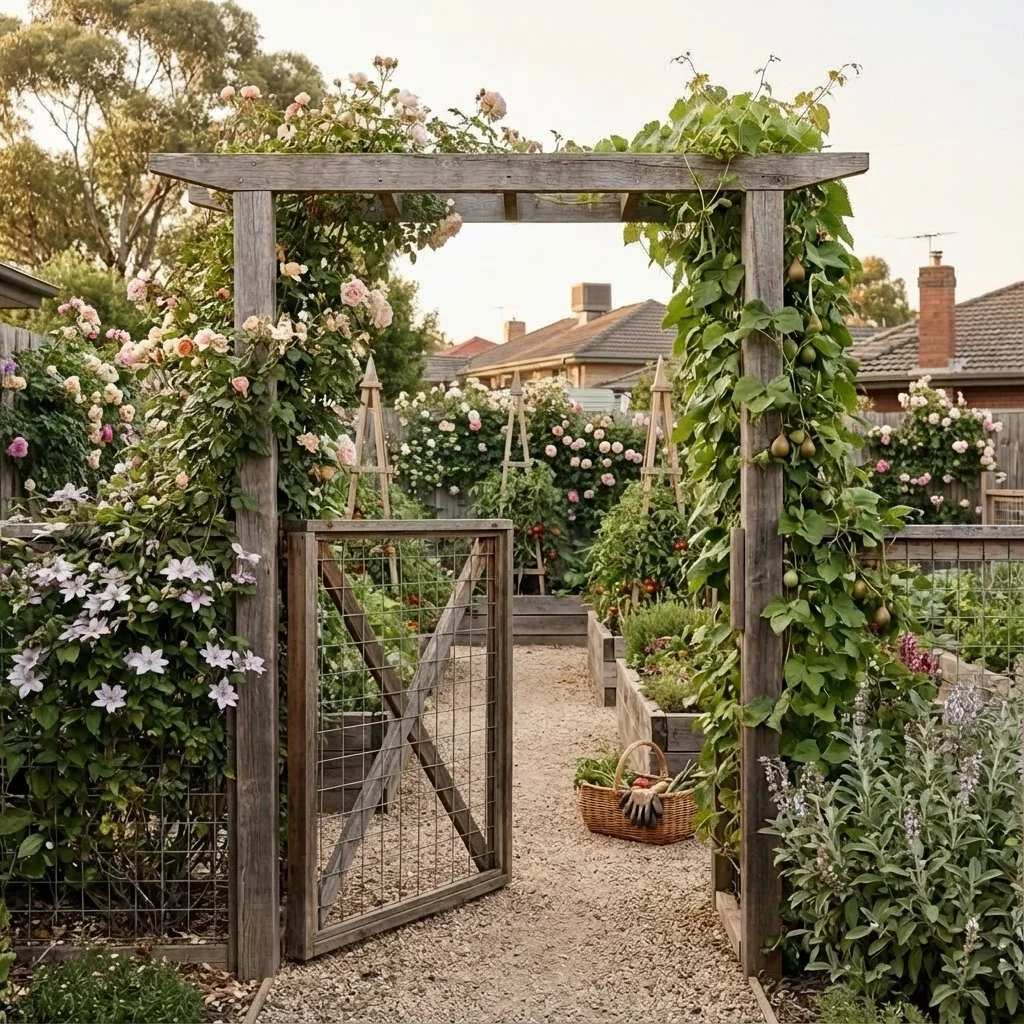
A garden shaped by seasons, habits, and the quiet satisfaction of growing food.
Productive Patch is about settling into a slower, more attentive rhythm — noticing the seasons change, harvesting what’s ready, and building small rituals around growing and eating. It’s the pleasure of stepping outside to check what’s thriving, picking herbs moments before cooking, and gradually becoming someone who lives with the garden rather than managing it. Beneath that feeling sits a clear, considered layout that shows how to arrange a veggie garden for success, working with sun, shade, edges, and access. Beds are positioned to support seasonal crops, perennials, and longer-term producers together, creating strong practical foundations. The result is a garden that feels generous and achievable, where productivity supports everyday life rather than competing with it.ple, resilient layout and styling creates a tidy, appealing outdoor space that suits both long-term rentals and low-impact improvements.
What’s included in your Veggie Garden Plan
Bespoke Concept Layout — A garden layout for your site designed to optimise sunlight, access, and bed arrangement for productive food growing.
Planting Palette — A curated mix of seasonal crops, perennial edibles, and longer-term productive plants suited to your climate and growing conditions.
Materials, Finishes & Lighting — Practical, durable recommendations for beds, paths, edges, and working surfaces that support everyday use and seasonal change.
Build Notes — guidance to help you understand installation steps, sequencing, and key considerations when bringing the plan to life.
Additional Moments (Optional) — any add-ons you choose will be integrated seamlessly into your bespoke concept plan.
After purchasing this Gramina Garden Plan, you’ll complete a short form with your site details. We’ll review everything to confirm the plan is a good fit for your property and climate. If anything doesn’t align, we’ll reach out to discuss options and ensure you get the right outcome for your garden.
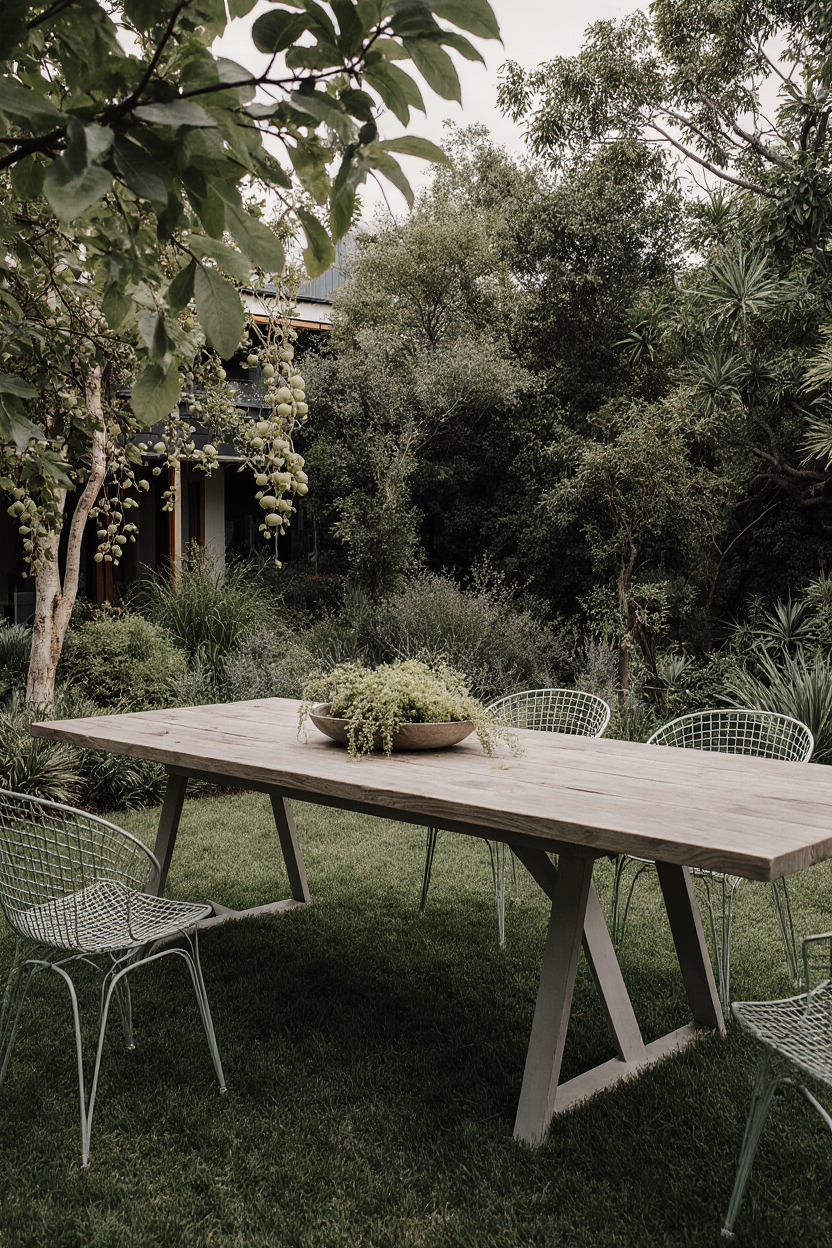
A simple, grounded garden plan inspired by the Australian bush — relaxed, resilient, and deeply connected to place.
Grounded Bush Garden captures the feel of the Aussie bush: informal paths, natural groupings of native shrubs, soft groundcovers, and a palette that feels unmistakably Australian. This plan embraces the textures, tones, and structure of our native landscapes, using hardy species that thrive with minimal care while supporting local wildlife. The layout is intentionally simple and low-intervention, creating a calm, open garden that feels natural rather than overly designed.
What’s included in your Grounded Bush Garden Plan
Bespoke Concept Layout — a relaxed, bush-inspired structure with natural flow and soft transitions.
Planting Palette — hardy natives selected for resilience, local ecology, and gentle bushland character.
Materials, Finishes & Lighting — grounded, natural materials and subtle lighting that complement native landscapes.
Build Notes — guidance for informal pathways, planting groupings, spacing, and long-term native care.
Additional Moments (Optional) — seamlessly integrated based on the Easy Native Living aesthetic.
After purchasing this Gramina Garden Plan, you’ll complete a short form with your site details. We’ll review everything to confirm the plan is a good fit for your property and climate. If anything doesn’t align, we’ll reach out to discuss options and ensure you get the right outcome for your garden.
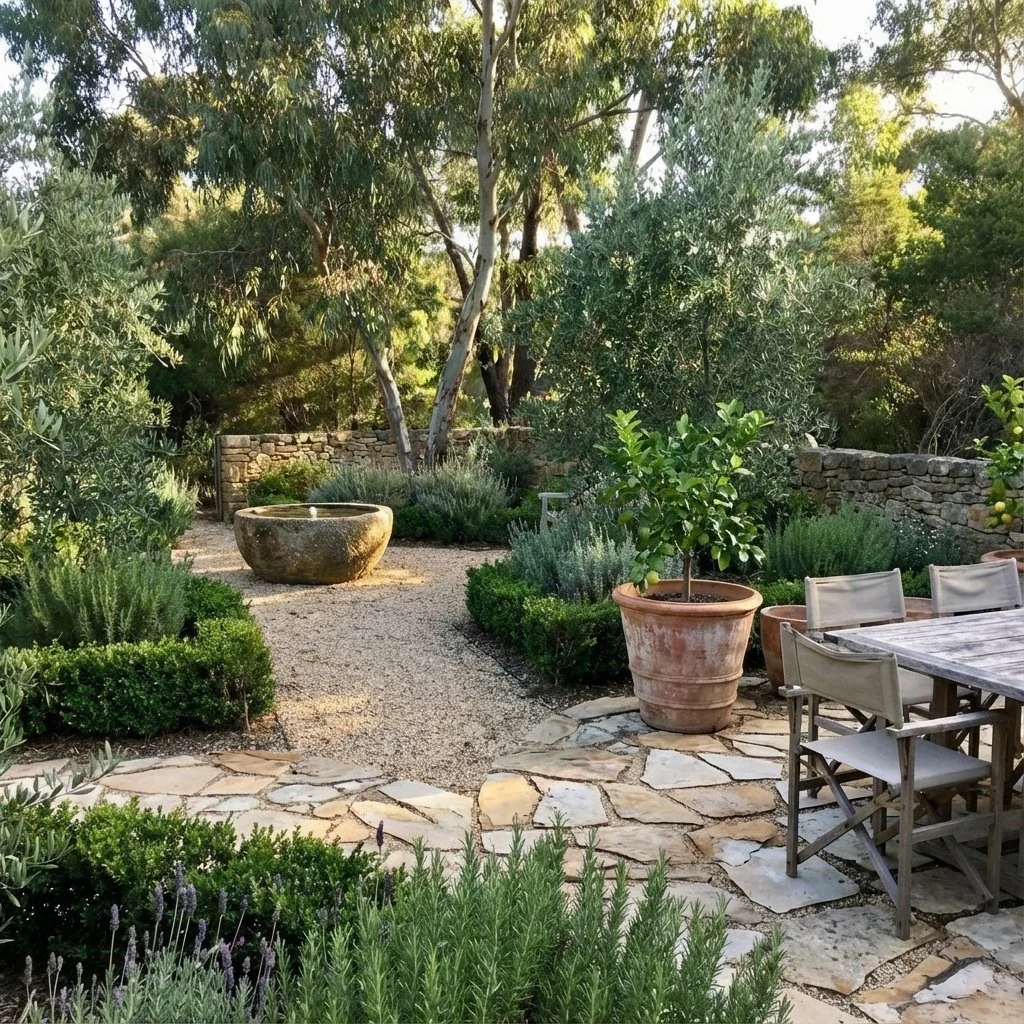
A relaxed, shaded garden inspired by Mediterranean living, shaped for Australian conditions.
A Mediterranean garden plan in an Australian context is about atmosphere, rhythm, and ease. It supports long afternoons outdoors, shared meals, and the simple pleasure of lingering outside. The design balances sun and relief, openness and enclosure, creating a garden that feels comfortable and usable across the seasons. Natural, honest materials give the space weight and timelessness, while resilient planting ensures the garden remains beautiful through heat and dry periods. The result is a warm, social setting grounded in everyday outdoor living.
What’s included in your Mediterranean Garden Plan
Bespoke Concept Layout — a clear, site-specific layout shaping relaxed outdoor spaces for everyday use.
Planting Palette — hardy, climate-suited plants selected for longevity, texture, and Mediterranean character.
Materials, Finishes & Lighting — natural surfaces and warm lighting that age well and feel timeless.
Build Notes — guidance to help you understand installation steps, sequencing, and key considerations when bringing the plan to life.
Additional Moments (Optional) — any add-ons you choose will be integrated seamlessly into your bespoke concept plan.
After purchasing this Gramina Garden Plan, you’ll complete a short form with your site details. We’ll review everything to confirm the plan is a good fit for your property and climate. If anything doesn’t align, we’ll reach out to discuss options and ensure you get the right outcome for your garden.