
6 Garden Planning Mistakes to Avoid
If you are about to design your garden, this is the point where most long-term problems are set in motion. Not because of style or taste, but because of early decisions made without enough structure or understanding of how gardens actually work.
These six mistakes show up repeatedly across real projects. They are practical problems with practical consequences, and each one can be avoided if caught early.

Placing large elements like chicken coops and backyard orchards need to be thought holistically with the rest of the garden
1. Starting With Ideas Instead of the Site
Many people begin with a grab bag of influences: Pinterest boards, favourite plants, images of gardens they like. The site itself is treated as a blank canvas rather than the thing that should lead the design. Sun, orientation, slope, access, existing trees, and constraints are not properly understood before ideas are placed.
When ideas come first, the garden ends up fighting its own conditions. Layouts are driven by preference rather than suitability, and problems appear later that could have been avoided with a clearer reading of the site at the outset.
2. Locking in Large Elements Too Early
Big elements such as sheds, pools, driveways, decks, and hard structures are often placed early because they feel decisive or urgent. Once fixed, they constrain everything else: circulation, planting space, access, sunlight, and future flexibility across the site.
These decisions are difficult to undo. Placing large, immovable elements without understanding the whole garden leads to compromised layouts that feel tight, awkward, or unfinished no matter how much effort follows.
3. Misreading the Importance of Sun
Sun is frequently underestimated in garden planning. It is treated as background information rather than the primary organiser of comfort, plant health, food growing, energy use, and how spaces are used across the year.
When sun is misread, gardens end up with seating in harsh exposure, productive areas in shade, lawns that struggle, and spaces that feel cold or unusable for long periods. These outcomes are set by layout, not planting.
4. Ignoring How People Actually Move and Use the Garden
Gardens are often planned without properly understanding daily movement and use. Where people walk, sit, garden, entertain, store things, move waste, and access tools is assumed rather than designed.
This leads to seating that is too far from the house, pools placed in uncomfortable conditions, compost systems that dry out, awkward paths, and gardens that feel inconvenient to maintain. A garden that does not support daily behaviour is rarely used well.
5. Getting Build Order Wrong
Build order is commonly overlooked during planning. Many gardens are constructed from the front of the property inward because it feels logical or convenient at the time.
As work moves deeper into the site, completed areas near the entry are repeatedly damaged, compacted, or destroyed. This causes rework, delays, and unnecessary cost. Build order is set by layout decisions made early, not by construction alone.
6. Underestimating What Plants Require to Establish
Plants are often treated as decorative elements rather than living systems. Soil preparation is minimal, species selection is poorly matched to conditions, and watering during establishment is underestimated, including for native plants.
Without good soil, appropriate species, and consistent water over the first year, plants struggle or fail. This leads to disappointment and replacement, even when the layout itself is sound.
A Simple Next Step
Avoiding these mistakes comes down to having a clear structure before committing to decisions. If you want a practical framework that applies these principles from the start, the Gramina Garden Plans provide clear layouts, sequencing, and build guidance suited to real Australian homes.
They help you make fewer early errors and support a garden that can be built properly and evolve over time.
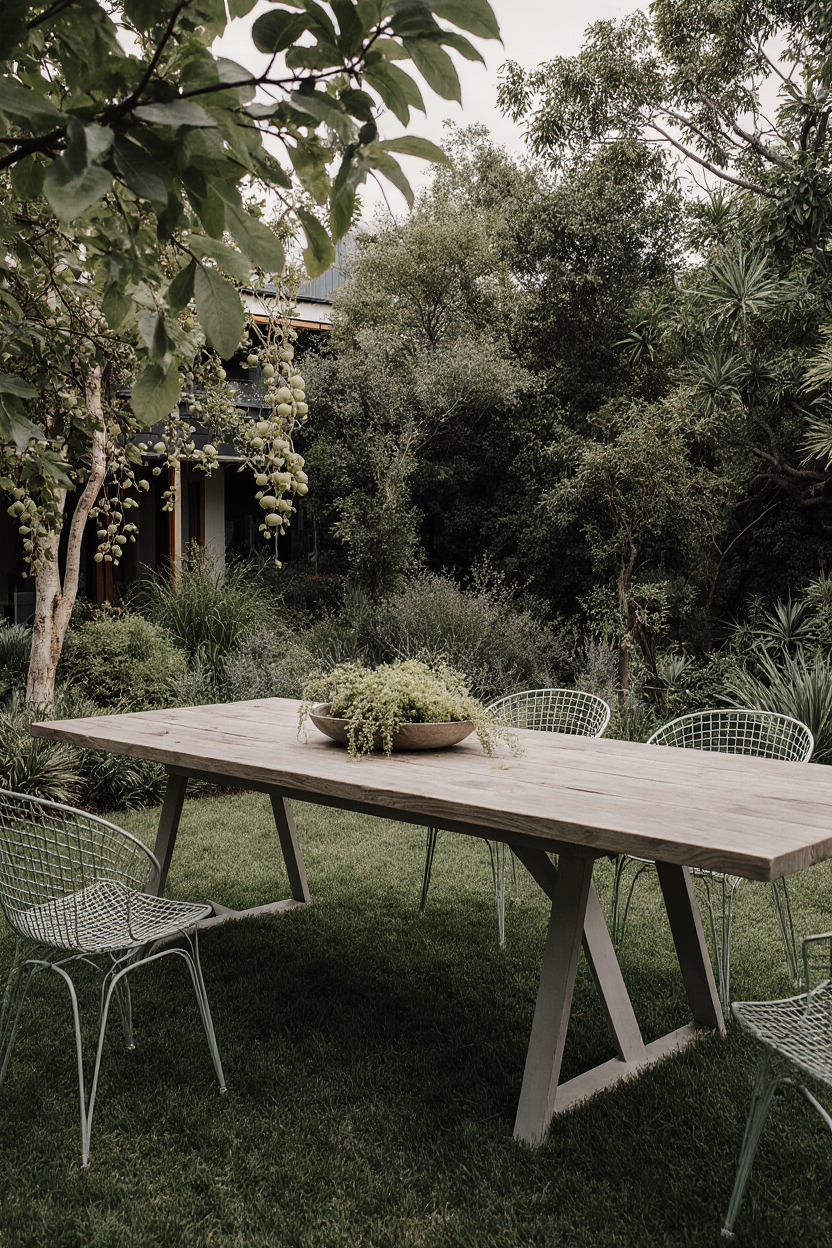
A simple, grounded garden plan inspired by the Australian bush — relaxed, resilient, and deeply connected to place.
Grounded Bush Garden captures the feel of the Aussie bush: informal paths, natural groupings of native shrubs, soft groundcovers, and a palette that feels unmistakably Australian. This plan embraces the textures, tones, and structure of our native landscapes, using hardy species that thrive with minimal care while supporting local wildlife. The layout is intentionally simple and low-intervention, creating a calm, open garden that feels natural rather than overly designed.
What’s included in your Grounded Bush Garden Plan
Bespoke Concept Layout — a relaxed, bush-inspired structure with natural flow and soft transitions.
Planting Palette — hardy natives selected for resilience, local ecology, and gentle bushland character.
Materials, Finishes & Lighting — grounded, natural materials and subtle lighting that complement native landscapes.
Build Notes — guidance for informal pathways, planting groupings, spacing, and long-term native care.
Additional Moments (Optional) — seamlessly integrated based on the Easy Native Living aesthetic.
After purchasing this Gramina Garden Plan, you’ll complete a short form with your site details. We’ll review everything to confirm the plan is a good fit for your property and climate. If anything doesn’t align, we’ll reach out to discuss options and ensure you get the right outcome for your garden.
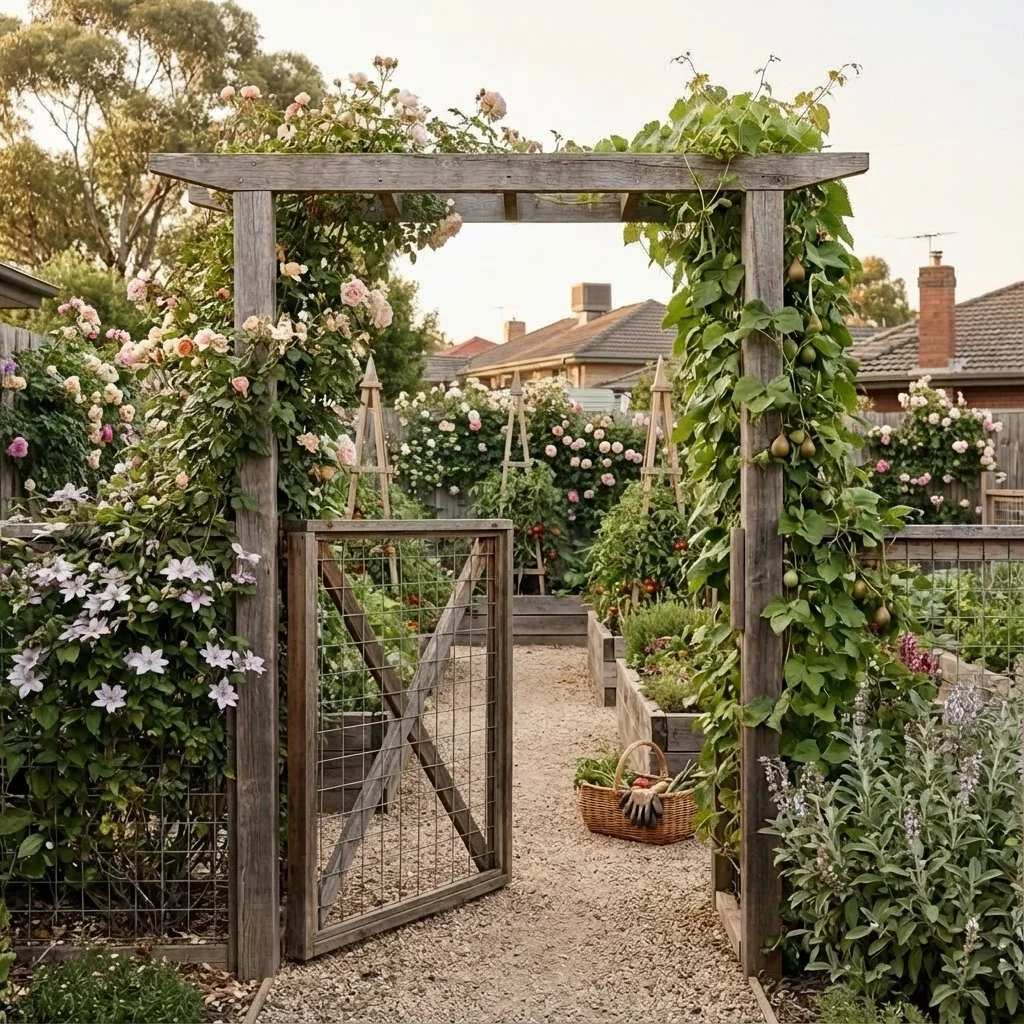
A garden shaped by seasons, habits, and the quiet satisfaction of growing food.
Productive Patch is about settling into a slower, more attentive rhythm — noticing the seasons change, harvesting what’s ready, and building small rituals around growing and eating. It’s the pleasure of stepping outside to check what’s thriving, picking herbs moments before cooking, and gradually becoming someone who lives with the garden rather than managing it. Beneath that feeling sits a clear, considered layout that shows how to arrange a veggie garden for success, working with sun, shade, edges, and access. Beds are positioned to support seasonal crops, perennials, and longer-term producers together, creating strong practical foundations. The result is a garden that feels generous and achievable, where productivity supports everyday life rather than competing with it.ple, resilient layout and styling creates a tidy, appealing outdoor space that suits both long-term rentals and low-impact improvements.
What’s included in your Veggie Garden Plan
Bespoke Concept Layout — A garden layout for your site designed to optimise sunlight, access, and bed arrangement for productive food growing.
Planting Palette — A curated mix of seasonal crops, perennial edibles, and longer-term productive plants suited to your climate and growing conditions.
Materials, Finishes & Lighting — Practical, durable recommendations for beds, paths, edges, and working surfaces that support everyday use and seasonal change.
Build Notes — guidance to help you understand installation steps, sequencing, and key considerations when bringing the plan to life.
Additional Moments (Optional) — any add-ons you choose will be integrated seamlessly into your bespoke concept plan.
After purchasing this Gramina Garden Plan, you’ll complete a short form with your site details. We’ll review everything to confirm the plan is a good fit for your property and climate. If anything doesn’t align, we’ll reach out to discuss options and ensure you get the right outcome for your garden.
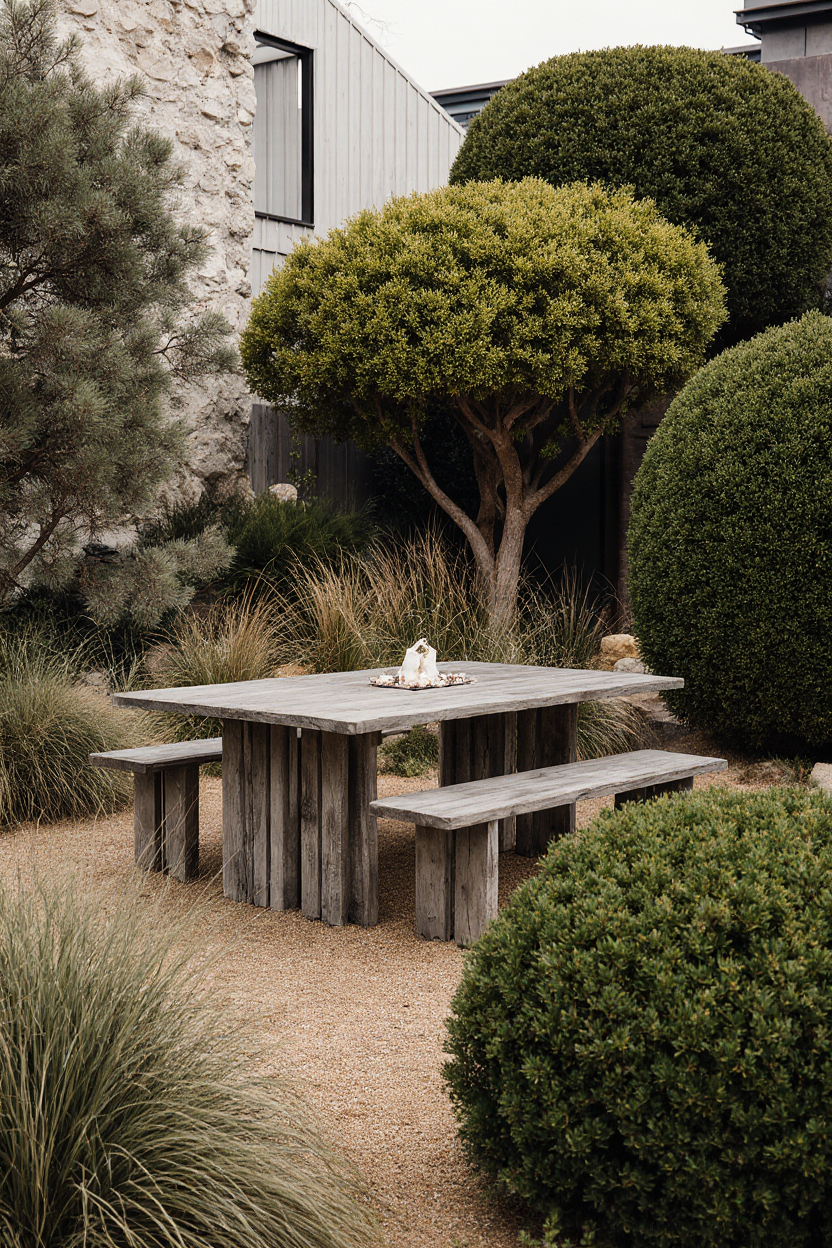
A sheltered coastal garden designed for calm, comfort, and everyday outdoor living in and around the beach.
Sheltered Coastal Retreat captures the relaxed rhythm of the coast while shaping outdoor spaces that feel protected and usable in tough coastal conditions. The design creates calm, sheltered areas that soften wind, sun, and salt, allowing the garden to be a place for unwinding, gathering, and slow outdoor living. Planting and materials are chosen for durability and resilience, weathering naturally over time while maintaining a clear, relaxed coastal character.
What’s included in your Costal Garden Plan
Bespoke Concept Layout — a site-specific layout that creates protected outdoor spaces with a coastal garden atmosphere
Planting Palette — a selection of hardy, drought-tolerant plants curated to suit your climate and the Costal Garden theme.
Materials, Finishes & Lighting — recommended surfaces, fixtures, and lighting choices that support simple, long-lasting outdoor spaces.
Build Notes — guidance to help you understand installation steps, sequencing, and key considerations when bringing the plan to life.
Additional Moments (Optional) — any add-ons you choose will be integrated seamlessly into your bespoke concept plan.
After purchasing this Gramina Garden Plan, you’ll complete a short form with your site details. We’ll review everything to confirm the plan is a good fit for your property and climate. If anything doesn’t align, we’ll reach out to discuss options and ensure you get the right outcome for your garden.