
When DIY Gardening Actually Saves Money and When It Does Not
DIY gardening has surged in popularity as construction costs rise and more people look to stretch their budget further. For capable, hands-on gardeners, doing parts of the work yourself can absolutely save money. But the assumption that full DIY is always the cheapest option is one of the most common mistakes people make.
In reality, some parts of a garden reward DIY effort. Others quietly drain time, energy, and money until the project stalls or settles for a sub-par result.
If you are working with a realistic garden budget of around $20k to $30k and planning to do a lot yourself, understanding where DIY actually saves money is the difference between a garden that gets finished and one that never quite does.

Focusing on the parts that you love about gardening will help guide what you should DIY and when to reach out for help.
When DIY Gardening Does Save Money
DIY works best when tasks are flexible, forgiving, and easy to pause.
Planting, mulching, irrigation tweaks, simple garden beds, gravel paths, and lightweight construction are all well suited to DIY. These tasks allow you to work in stages, learn as you go, and adjust without expensive consequences.
DIY also saves money when you accept slower results. Growing plants from smaller sizes, spreading work across seasons, and letting the garden evolve over time can significantly reduce upfront costs.
If you enjoy the process and see the work as part of the reward, DIY can be genuinely cost effective.
When DIY Stops Saving Money
DIY stops being economical when time becomes the constraint.
Most people do not overestimate their skill. They overestimate their time and enthusiasm. Weekends disappear. Physical effort adds up. What starts as excitement becomes another obligation.
This is where many gardens stall.
Half-finished gardens are rarely cheap. Materials sit unused. Plants decline in pots. Temporary solutions become permanent compromises. Momentum is lost, and restarting feels harder each time.
At this point, the cheapest option would have been finishing key parts properly earlier.
The Hidden Cost of Doing Everything Yourself
The biggest DIY misconception is that saving money means doing more work personally.
In reality, value comes from how efficiently the garden moves forward.
Some tasks are cheaper when done by a specialist, not because they are better designers or stronger workers, but because they are faster, better equipped, and experienced enough to avoid rework.
Hard manual labour that requires multiple people, precise set-out, or specialist tools often falls into this category. Retaining edges, level changes, structural elements, and accurate groundwork are common sticking points.
Attempting these solo often leads to fatigue, slow progress, and small errors that multiply later.
Where Spending Money Actually Saves Money
Two targeted investments consistently deliver the highest return for DIY gardeners.
Design and planning is the first.
A clear plan removes hesitation, not flexibility. Knowing what goes where, what can wait, and what must happen first allows DIY work to pause and restart without chaos. It prevents overspending early and under-committing later.
Selective specialist help is the second.
Not full outsourcing. Strategic outsourcing.
Paying for the hardest or most time-intensive parts frees you to focus on work you enjoy and can sustain. It also protects your budget by preventing stalls and rework.
This hybrid approach is where most real savings are found.
Full DIY Is Rare. Partial DIY Is Smarter.
Very few gardens are truly built solo from start to finish. Even capable DIY gardeners eventually bring in help, advice, or labour.
The difference between a successful DIY garden and a stalled one is not effort. It is knowing where to stop doing everything yourself.
Partial DIY is not a compromise. It is a strategy.
It allows you to stay hands-on, control costs, and still achieve a finished garden that feels intentional rather than exhausted.
A Smarter Way to Start
If you want to do a lot yourself but avoid wasted time and false economy, clarity matters more than tools.
Exploring Gramina Garden Plans and Additional Moments gives you a structured starting point without locking you into a full bespoke process. You can DIY what makes sense, bring in help where it saves time, and keep the project moving forward rather than stalling halfway.
DIY gardening does save money. Just not when it is treated as all or nothing.
The smartest gardens are built where enthusiasm is supported by planning, and effort is spent where it actually adds value.
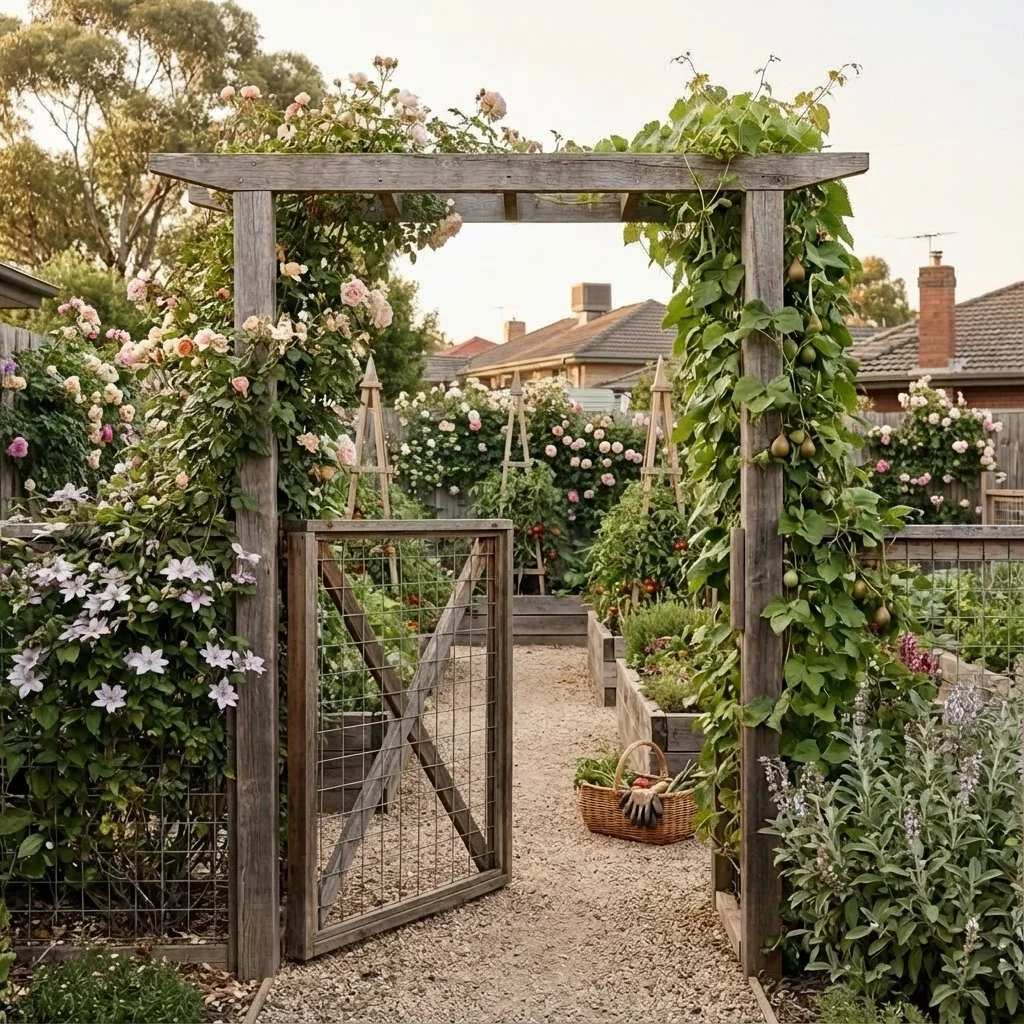
A garden shaped by seasons, habits, and the quiet satisfaction of growing food.
Productive Patch is about settling into a slower, more attentive rhythm — noticing the seasons change, harvesting what’s ready, and building small rituals around growing and eating. It’s the pleasure of stepping outside to check what’s thriving, picking herbs moments before cooking, and gradually becoming someone who lives with the garden rather than managing it. Beneath that feeling sits a clear, considered layout that shows how to arrange a veggie garden for success, working with sun, shade, edges, and access. Beds are positioned to support seasonal crops, perennials, and longer-term producers together, creating strong practical foundations. The result is a garden that feels generous and achievable, where productivity supports everyday life rather than competing with it.ple, resilient layout and styling creates a tidy, appealing outdoor space that suits both long-term rentals and low-impact improvements.
What’s included in your Veggie Garden Plan
Bespoke Concept Layout — A garden layout for your site designed to optimise sunlight, access, and bed arrangement for productive food growing.
Planting Palette — A curated mix of seasonal crops, perennial edibles, and longer-term productive plants suited to your climate and growing conditions.
Materials, Finishes & Lighting — Practical, durable recommendations for beds, paths, edges, and working surfaces that support everyday use and seasonal change.
Build Notes — guidance to help you understand installation steps, sequencing, and key considerations when bringing the plan to life.
Additional Moments (Optional) — any add-ons you choose will be integrated seamlessly into your bespoke concept plan.
After purchasing this Gramina Garden Plan, you’ll complete a short form with your site details. We’ll review everything to confirm the plan is a good fit for your property and climate. If anything doesn’t align, we’ll reach out to discuss options and ensure you get the right outcome for your garden.
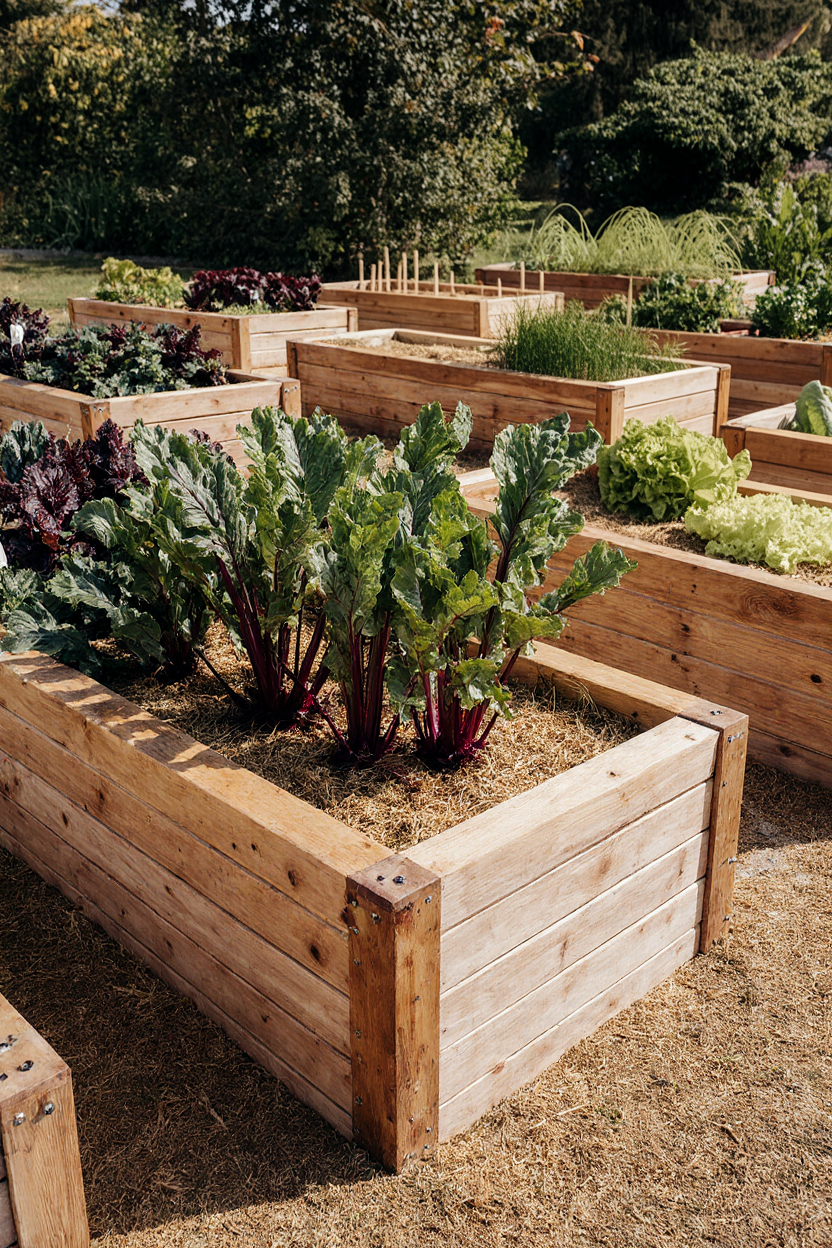
A productive garden system that stays lush with minimal watering.
Wicking veggie beds create a reliable, low-effort way to grow food at home by keeping soil evenly moist from below. Instead of frequent surface watering, plants draw water up from a concealed reservoir as they need it, reducing evaporation, stress, and guesswork. The result is steady growth, healthier crops, and far less daily maintenance.
This Additional Moment provides a clear, well-considered design for integrating wicking beds into your Gramina Garden Plan. It covers layout and sizing, construction logic, soil and reservoir setup, and how to position beds for sun, access, and long-term productivity. Whether you’re growing herbs, leafy greens, or seasonal vegetables, the system is designed to work quietly in the background—efficient, durable, and easy to live with.
What’s Included
Bed layout and positioning guidance
Recommended dimensions and construction approach
Reservoir, overflow, and soil profile setup
Material suggestions for timber, liners, and pipework
Guidance on crop types suited to wicking systems
Integration into your bespoke Gramina Garden Plan
Once purchased, these Wicking Veggie Beds will be tailored to your site and woven directly into your bespoke garden plan.
Important:
Additional Moments are not sold separately. They must be purchased as part of a Gramina Garden Plan.
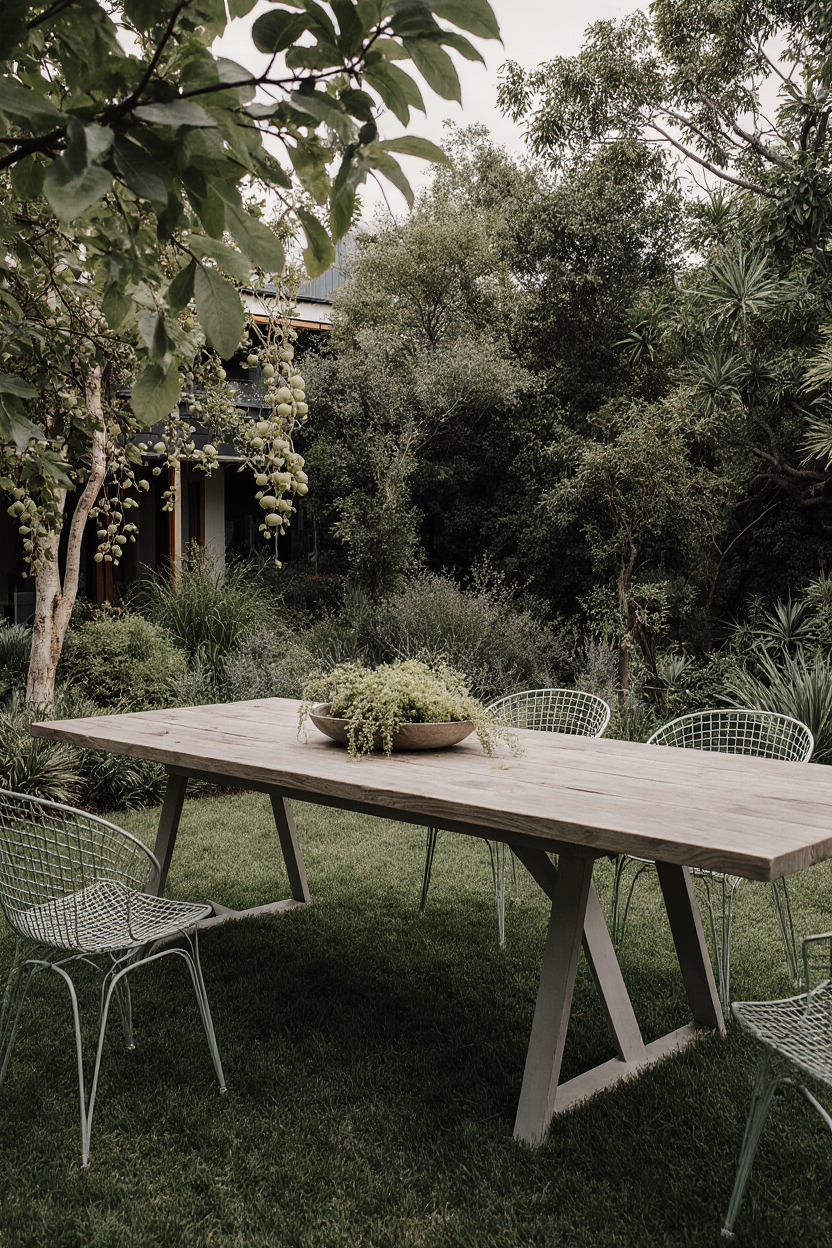
A simple, grounded garden plan inspired by the Australian bush — relaxed, resilient, and deeply connected to place.
Grounded Bush Garden captures the feel of the Aussie bush: informal paths, natural groupings of native shrubs, soft groundcovers, and a palette that feels unmistakably Australian. This plan embraces the textures, tones, and structure of our native landscapes, using hardy species that thrive with minimal care while supporting local wildlife. The layout is intentionally simple and low-intervention, creating a calm, open garden that feels natural rather than overly designed.
What’s included in your Grounded Bush Garden Plan
Bespoke Concept Layout — a relaxed, bush-inspired structure with natural flow and soft transitions.
Planting Palette — hardy natives selected for resilience, local ecology, and gentle bushland character.
Materials, Finishes & Lighting — grounded, natural materials and subtle lighting that complement native landscapes.
Build Notes — guidance for informal pathways, planting groupings, spacing, and long-term native care.
Additional Moments (Optional) — seamlessly integrated based on the Easy Native Living aesthetic.
After purchasing this Gramina Garden Plan, you’ll complete a short form with your site details. We’ll review everything to confirm the plan is a good fit for your property and climate. If anything doesn’t align, we’ll reach out to discuss options and ensure you get the right outcome for your garden.
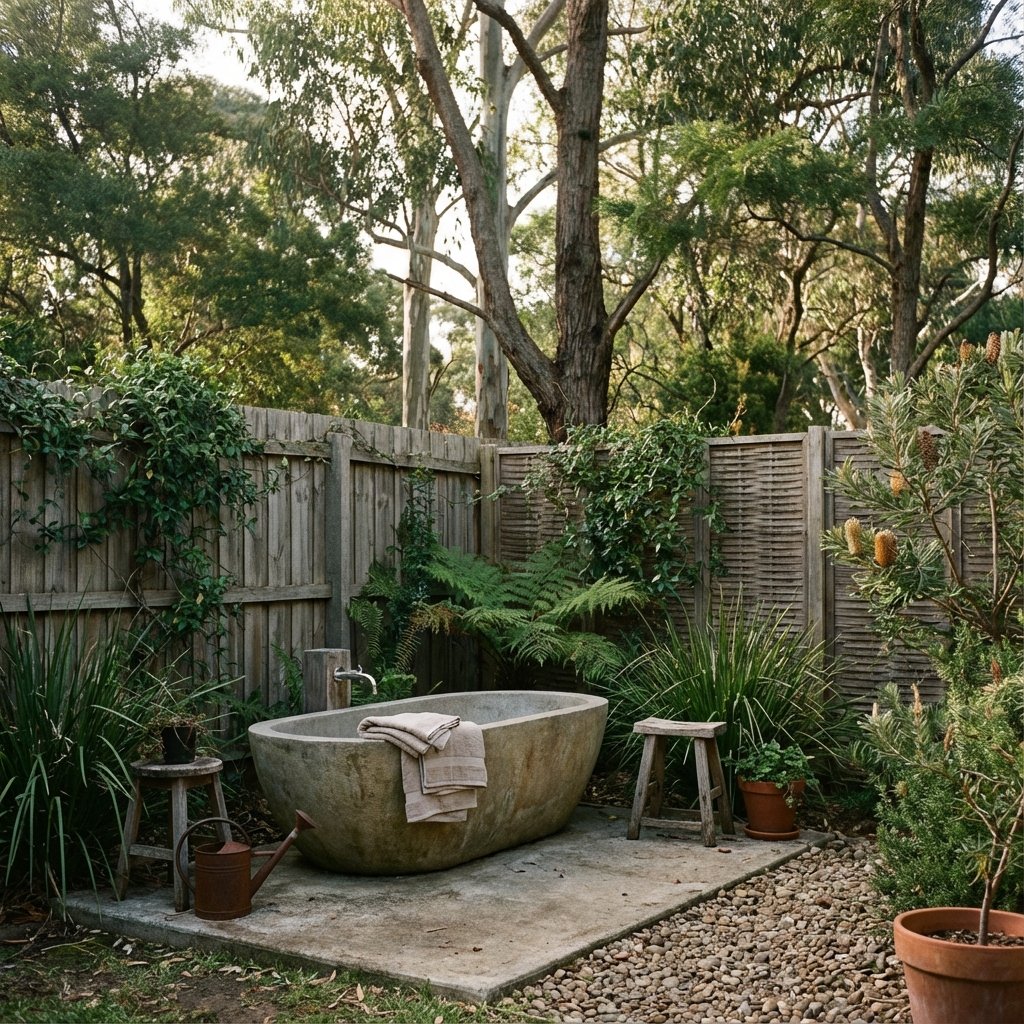
A quiet outdoor bath that creates a place to slow down, soak, and stay awhile.
An outdoor bath introduces a slower rhythm to the garden — a space designed for warmth, stillness, and extended use. It becomes a destination rather than a pass-through moment, encouraging pause, reflection, and time outdoors across seasons. Positioned carefully, it can feel sheltered yet open, private yet connected to the landscape around it.
This Additional Moment provides a considered framework for placing and designing an outdoor bath within your Gramina Garden Plan. It focuses on siting, scale, support, and enclosure — ensuring the bath feels grounded, safe, and comfortable while working seamlessly with the surrounding garden. Attention is given to how the bath is entered, how it holds warmth, and how it sits within planting and structure, so it feels resolved and intentional.
What’s Included
Siting guidance for sun, shelter, and privacy
Bath scale, depth & access considerations
Structural support and base design principles
Screening, enclosure & planting strategies
Material and finish guidance suited to outdoor use
Drainage, overflow & water management approach
Integration into your bespoke Gramina Garden Plan
Once purchased, this Outdoor Bath will be tailored to your site and woven directly into your bespoke garden plan.
Important:
Additional Moments are not sold separately. They must be purchased as part of a Gramina Garden Plan.
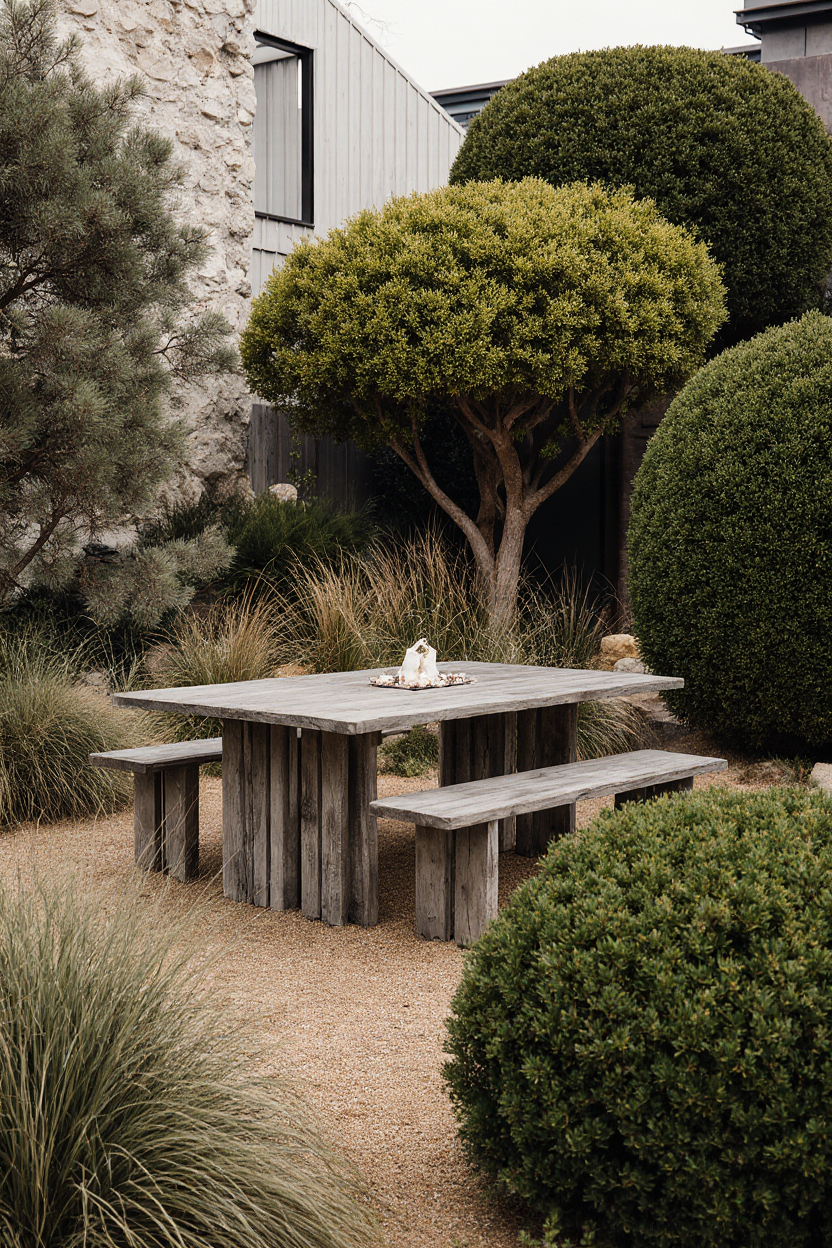
A sheltered coastal garden designed for calm, comfort, and everyday outdoor living in and around the beach.
Sheltered Coastal Retreat captures the relaxed rhythm of the coast while shaping outdoor spaces that feel protected and usable in tough coastal conditions. The design creates calm, sheltered areas that soften wind, sun, and salt, allowing the garden to be a place for unwinding, gathering, and slow outdoor living. Planting and materials are chosen for durability and resilience, weathering naturally over time while maintaining a clear, relaxed coastal character.
What’s included in your Costal Garden Plan
Bespoke Concept Layout — a site-specific layout that creates protected outdoor spaces with a coastal garden atmosphere
Planting Palette — a selection of hardy, drought-tolerant plants curated to suit your climate and the Costal Garden theme.
Materials, Finishes & Lighting — recommended surfaces, fixtures, and lighting choices that support simple, long-lasting outdoor spaces.
Build Notes — guidance to help you understand installation steps, sequencing, and key considerations when bringing the plan to life.
Additional Moments (Optional) — any add-ons you choose will be integrated seamlessly into your bespoke concept plan.
After purchasing this Gramina Garden Plan, you’ll complete a short form with your site details. We’ll review everything to confirm the plan is a good fit for your property and climate. If anything doesn’t align, we’ll reach out to discuss options and ensure you get the right outcome for your garden.
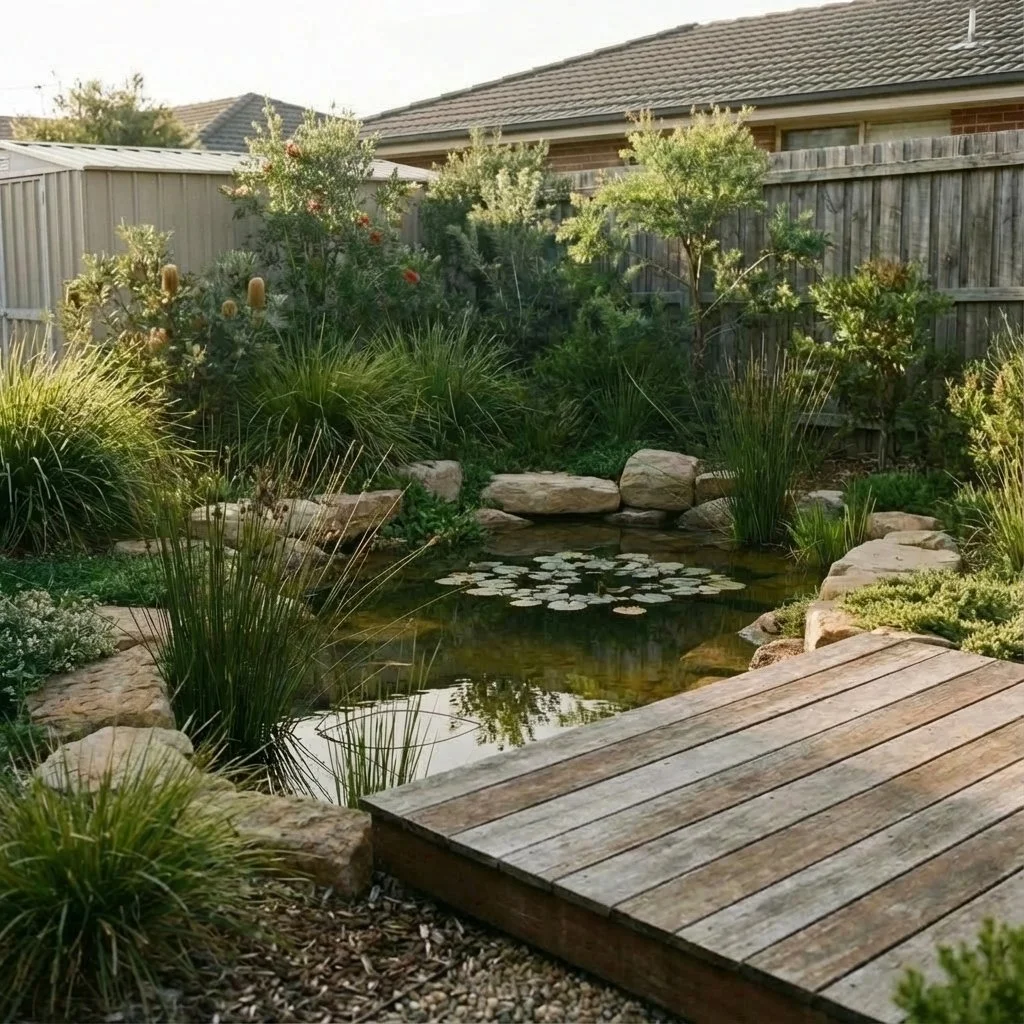
A small, living water feature that brings quiet rhythm and wildlife into the garden.
A fish and frog pond introduces gentle movement, sound, and life into the garden — a place where water cools the space and nature settles in. Over time, frogs, insects, and birds arrive, creating a sense of calm, balance, and daily observation. It’s less about decoration and more about atmosphere: a soft, living pause within the garden.
This Additional Moment provides a clear framework for designing a fish and frog pond within your Gramina Garden Plan. It focuses on placement, shape, planting, and construction so the pond feels natural, supports native species, and remains clean and easy to maintain. Careful attention is given to water quality, circulation, and mosquito prevention, allowing the pond to function as a healthy, low-maintenance ecosystem.
What’s Included
Placement guidance for sun, shade, and garden integration
Pond shape, depth, and edge design principles
Aquatic and complementary planting strategies
Construction best-practice guidance
Filtration and water circulation approach
Use of rainwater harvesting as a water source
Mosquito reduction and prevention strategies
Integration into your bespoke Gramina Garden Plan
Once purchased, this Fish & Frog Pond will be tailored to your site and woven directly into your bespoke garden plan.
Important:
Additional Moments are not sold separately. They must be purchased as part of a Gramina Garden Plan.