
Choosing Garden Surface Materials: Where to Spend and Where to Save
Landscape design is largely the art of deciding what goes on the ground. Grass, planting, gravel, paving, decks. These surface decisions shape how a garden looks, how it feels to move through, and how much it costs to build.
One of the most useful things to understand when planning a garden is that different surfaces sit on a very clear cost spectrum. At one end are the expensive constructed materials such as paving and decking. At the other end are soft surfaces like grass.
Understanding where to invest and where to be more relaxed with spending allows a garden to feel generous, layered and usable without the budget being swallowed up too early.
Below is a simple guide to the most common garden surfaces and when they work best.

a garden with a healthy mix of lawn, planting and hard surfaces
Start with the Cost Spectrum
A helpful rule of thumb is to think about surfaces from most expensive to least expensive.
Paving
Decking
Garden beds with plants
Gravel or crushed rock
Grass
This does not mean avoiding expensive materials entirely. It simply means placing them carefully where they provide the most value. When expensive surfaces are concentrated in the areas that benefit from them the whole garden works better.
Grass: The Most Efficient Way to Create Space
Grass remains one of the most efficient ways to create usable outdoor space.
Its greatest strength is its softness and flexibility. Lawn can absorb play, movement, gatherings and everyday life in a way that many other materials cannot.
The most effective way to use grass is in what can be called a spill out area. These are spaces where the house opens onto a deck or terrace and then flows into a lawn. The grass becomes an extension of the living space, expanding the feeling of the house out into the garden.
Large uninterrupted fields of lawn are rarely necessary in residential gardens. Instead, smaller areas of grass used strategically can create beautiful and functional outdoor rooms.
Garden Beds: The Heart of a Garden
If the budget allows, generous planting is often the most rewarding investment in a garden.
Gardens are places filled with plants, texture, colour and seasonal change. Planting softens buildings and fences, brings biodiversity and creates atmosphere.
Well designed garden beds transform a space from a simple yard into a landscape. Trees, shrubs and groundcovers create layers that frame views, filter light and give a sense of enclosure.
Where budgets allow, expanding the planting areas can dramatically improve the richness of a garden while still remaining more affordable than extensive paving or decking.
Gravel: A Quiet Workhorse
Gravel and crushed rock are among the most useful surfaces available to garden designers.
They are affordable, durable and low maintenance. They also bring a relaxed character that suits many garden styles.
Gravel works beautifully for paths, utility areas and informal outdoor spaces. It allows water to drain easily and can cover large areas without large construction costs.
In many gardens gravel can even take the place of lawn. While grass brings softness, gravel offers simplicity and longevity with very little ongoing maintenance.
Paving: Invest Close to the House
Paving sits at the expensive end of the spectrum, which makes placement important.
The most effective place to invest in paving is close to the house. Doorways, side laneways, driveways and the immediate area around the home benefit greatly from durable hard surfaces.
These areas experience the highest foot traffic and require stability and accessibility. Hard paving performs very well in these situations.
In smaller gardens especially, concentrating paving near the house creates a strong and practical foundation while allowing the rest of the garden to remain softer and more relaxed.
Entertaining areas located further out in the garden often work beautifully with gravel rather than full paving.
Decking: Seamless Indoor Outdoor Living
Decking offers a different type of outdoor surface. Timber brings warmth and softness that many people enjoy.
Decks are particularly useful when a garden has even a small level change between the house and the outdoor space. Timber platforms can bridge these transitions easily and create a seamless connection between inside and outside.
Another advantage is comfort. Timber tends to feel softer underfoot and remains more comfortable across seasonal temperature changes compared with stone or concrete.
When designed well, a deck can feel like an extension of the interior living space.
Paths Through the Garden
Paths guide movement and help structure a landscape.
Stepping stones are a beautiful option when the budget allows. They provide a clear route through lawns or planting while maintaining a light visual presence.
Where a more economical solution is needed, crushed gravel paths perform extremely well. They are easy to install, visually calm and integrate naturally into many planting schemes.
Both approaches allow the garden to remain largely planted rather than dominated by hard surfaces.
Getting the Best Value From Your Garden Budget
One of the most common challenges homeowners face is knowing where to spend and where to save.
A balanced approach often produces the best result. Invest in paving where the house meets the garden and where traffic is highest. Use decking where level changes occur. Allow planting to shape the garden and provide richness. Use gravel generously where appropriate. Introduce grass to create soft spill out spaces.
This layered combination of surfaces creates gardens that feel generous, usable and full of life.
Landscape design is not about covering every square metre with expensive materials. It is about placing the right surface in the right place so the entire garden works beautifully together.
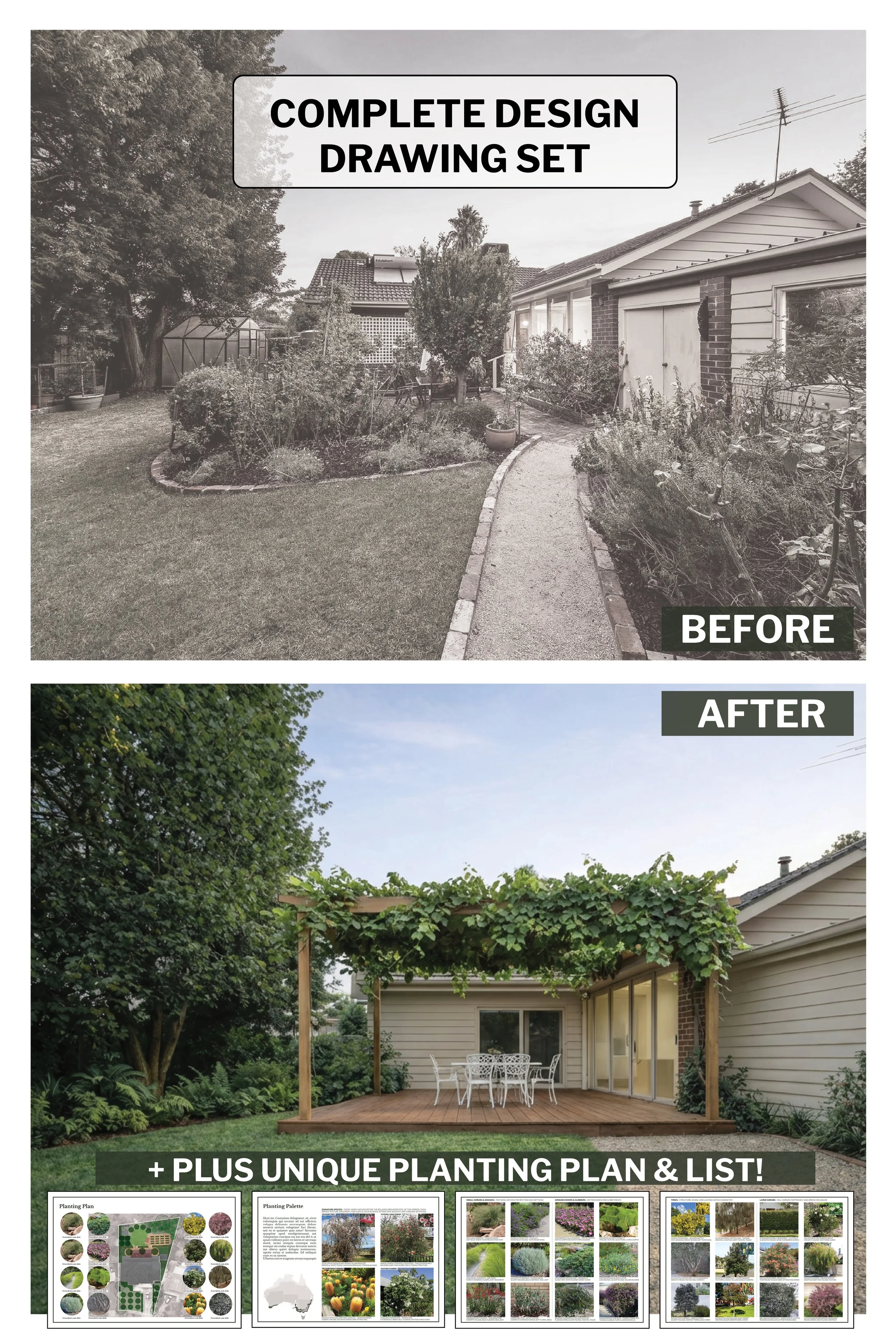
We take on limited clients each month so every garden plan receives proper care and attention.
The full package. Garden Design, Planting Design, Planting list and Build notes for those ready to go.
The Complete Plan is the most comprehensive Gramina Garden Plan. It brings together a fully bespoke garden theme, a site-specific design, and a resolved planting strategy into one clear, build-ready package. The result is a one-of-a-kind garden design that reflects how you want to live outdoors, shaped precisely to your site.
This plan is best for:
People who want a one of a kind garden, are ready to build and want all key design decisions resolved.
How it works
One-on-one video/phone conversation
You share your brief, aspirations, and priorities in a focused call that sets the foundation for the design.Send us your site photos
You send through photos of your garden and surrounding conditions to inform layout, scale, and character.We get to work
We develop a unique garden concept theme, a bespoke concept layout of your garden and create rendered views using your site photos to show how the space can transform.
What’s included in the Complete Plan
One-on-one detailed video/phone conversation
A dedicated conversation to understand your site, priorities, and aspirations before design begins.A fully unique Custom Garden Plan Theme
A one-of-a-kind garden theme created specifically from your brief, lifestyle, and site conditions.Bespoke Concept Layout
A clear, concept layout plan reflective of your custom theme.Up to 6 rendered views
Visualisations showing how your garden can transform, based on site images you provide.A Bespoke Planting Plan
A planting plan designed specifically for your site, climate, and layout, showing plant placement and structure.A Bespoke Planting Palette
A tailored plant Palette aligned with your planting plan, climate zone, and design intent.Build Notes
Clear guidance on installation steps, sequencing, and key considerations to support construction and implementation.Additional Moments (Optional)
Any additional moments you choose are integrated seamlessly into your bespoke concept plan.
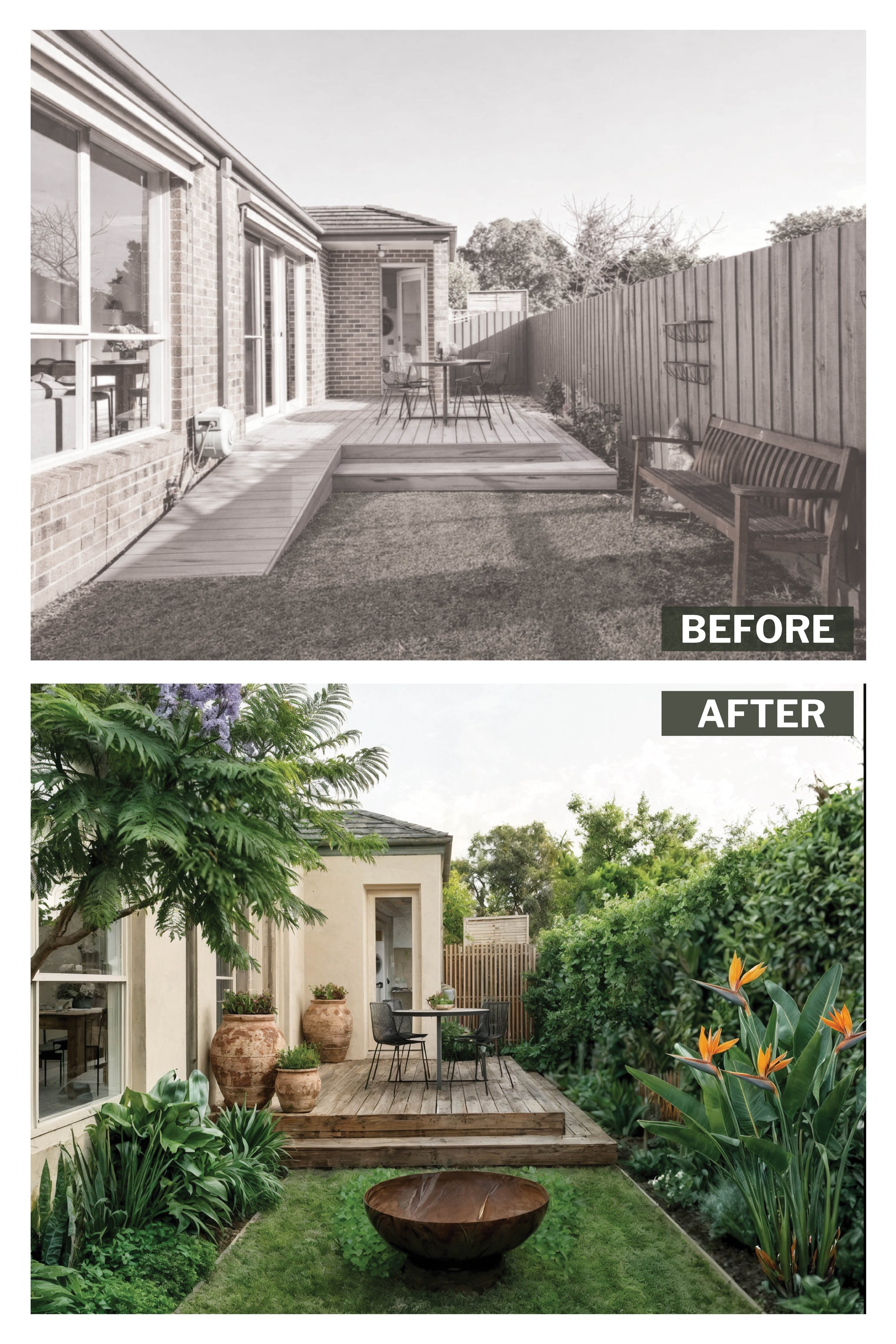
We take on limited clients each month so every garden plan receives proper care and attention.
Try a fully personalised garden theme, designed from your brief and shaped to your site.
A Personalised Plan begins with your ideas, priorities, and how you want to live outdoors. It is developed directly from your written brief, phone coversation, site conditions, and lifestyle, allowing the design to respond thoughtfully and precisely to your space.
The result is a garden concept guided by your words and aspirations.
This plan is best for:
People who want a unique new vision for their garden and are happy to make a few decisions on their own.
How it works
One-on-one video/phone conversation
You share your brief, aspirations, and priorities in a focused call that sets the foundation for the design.Send us your site photos
You send through photos of your garden and surrounding conditions to inform layout, scale, and character.We get to work
We develop a unique garden concept theme, a bespoke concept layout of your garden and create rendered views using your site photos to show how the space can transform.
What’s included in the Personalised Plan
One-on-one detailed video/phone conversation
A dedicated conversation to understand your site, priorities, and aspirations before design begins.A fully unique Custom Garden Plan Theme
A one-of-a-kind garden theme created specifically from your brief, lifestyle, and site conditions.Bespoke Concept Layout — a clear, concept layout plan reflective of your custom theme
Up to 6 rendered views
Visualisations showing how your garden can transform, based on site images you provide.Build Notes
Clear guidance on installation steps, sequencing, and key considerations to support construction and implementation.Additional Moments (Optional)
Any additional moments you choose are integrated seamlessly into your bespoke concept plan.
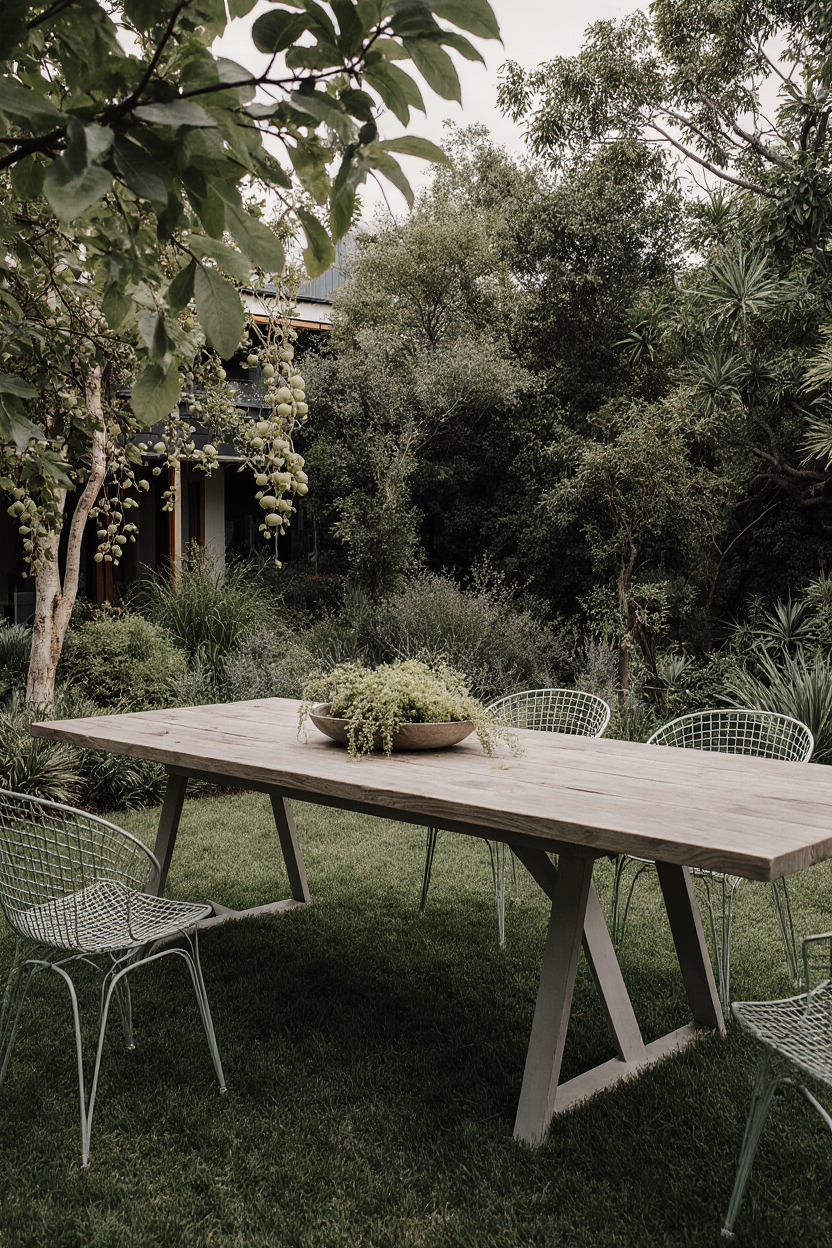
A simple, grounded garden plan inspired by the Australian bush — relaxed, resilient, and deeply connected to place.
Grounded Bush Garden captures the feel of the Aussie bush: informal paths, natural groupings of native shrubs, soft groundcovers, and a palette that feels unmistakably Australian. This plan embraces the textures, tones, and structure of our native landscapes, using hardy species that thrive with minimal care while supporting local wildlife. The layout is intentionally simple and low-intervention, creating a calm, open garden that feels natural rather than overly designed.
What’s included in your Grounded Bush Garden Plan
Bespoke Concept Layout — a relaxed, bush-inspired structure with natural flow and soft transitions.
Planting Palette — hardy natives selected for resilience, local ecology, and gentle bushland character.
Materials, Finishes & Lighting — grounded, natural materials and subtle lighting that complement native landscapes.
Build Notes — guidance for informal pathways, planting groupings, spacing, and long-term native care.
Additional Moments (Optional) — seamlessly integrated based on the Easy Native Living aesthetic.
After purchasing this Gramina Garden Plan, you’ll complete a short form with your site details. We’ll review everything to confirm the plan is a good fit for your property and climate. If anything doesn’t align, we’ll reach out to discuss options and ensure you get the right outcome for your garden.