
Garden Costs Explained: What Is Most Expensive in a Garden?
When planning a new garden one of the most useful things to understand is where the money typically goes. Some elements require heavy construction, excavation or specialist trades, while others rely more on planting and simple materials.
A helpful way to think about this is from most expensive to least expensive. Knowing this hierarchy allows you to allocate your budget in a way that creates the most garden while still including the elements that matter most.
Here is a simple breakdown.

Using planting and simple surfaces like gravel will give you more bang for buck!
1. Pools
Pools often sit at the very top of the cost spectrum. They require excavation, structural construction, waterproofing, filtration systems and ongoing servicing. Because of this they represent one of the largest investments a garden can contain.
A pool is fundamentally a luxury feature. It can bring enormous enjoyment and become the centrepiece of a family garden, yet it is worth approaching the decision thoughtfully. Some people assume a pool automatically increases property value, while in reality the outcome varies depending on the buyer and the property.
When someone chooses to include a pool, it works best when it becomes a clear part of the lifestyle of the household rather than simply an assumed upgrade.
2. Outdoor Dining Areas and Pergolas
Outdoor dining areas and pergolas sit high on the cost list because they involve structural work. Footings, framing, roofing, paving and sometimes electrical or lighting elements are all part of the construction.
At the same time they can be one of the most rewarding investments in a garden.
Pergolas provide instant shade and create a defined outdoor room. They extend the living space of the house and make it easier to spend long periods outside. They also provide structure for climbing plants, lighting and furniture.
These structures can range from simple off the shelf systems to fully custom built architectural features. Because they work in gardens of almost any size, from small courtyards to large acreage properties, they often become a key part of how people use their outdoor space.
3. Play Areas and Recreation Features
Recreation features such as basketball courts and in ground trampolines can also sit surprisingly high in the cost hierarchy.
Many of these elements require excavation or concrete construction. Digging large holes, pouring concrete slabs and installing specialist equipment all add up quickly.
In ground trampolines are a good example. They require a substantial excavation and drainage preparation before installation. Basketball courts involve concrete or asphalt surfaces and sometimes fencing or lighting.
These features can be fantastic additions to family gardens, yet they benefit from careful consideration. Temporary solutions such as freestanding trampolines can provide years of enjoyment for younger children and can easily be removed later. This keeps the garden flexible as family needs change over time.
4. Hardscape: Paving and Concrete
Hardscape surfaces such as paving and concrete are another significant component of garden budgets.
The materials themselves carry cost, and the installation involves base preparation, levelling and skilled labour. Because of this, thoughtful placement is important.
Paving tends to deliver the most value close to the house and in high traffic areas. Entry zones, side laneways, driveways and the immediate area surrounding the house benefit greatly from durable surfaces.
These areas experience the most movement and require stability, making hard paving an excellent investment when used strategically.
5. Garden Beds and Planting
Garden beds filled with plants represent the point where a landscape begins to feel like a true garden.
Planting brings structure, colour, seasonal change and biodiversity. Trees, shrubs and groundcovers soften buildings and create layers of visual interest.
Compared with heavy construction, planting often delivers a large visual impact for a moderate cost. Well designed planting areas can transform the atmosphere of a garden while still allowing the budget to stretch across the whole site.
6. Gravel and Crushed Rock
Gravel and crushed rock provide one of the most useful surfaces available to garden designers.
They are relatively affordable, easy to install and visually calm. Gravel works well for pathways, informal outdoor areas, utility zones and spaces where a relaxed character suits the garden.
Because gravel can cover large areas without major construction, it often becomes an important tool when balancing the budget of a project.
7. Lawn
Lawn sits at the most affordable end of the surface spectrum.
Grass is an efficient way to create generous usable space in a garden. It provides softness underfoot and accommodates play, gatherings and everyday outdoor life.
When used thoughtfully, lawn can connect outdoor areas together and create simple open spaces that contrast beautifully with surrounding planting.
Focus on the Foundations of a Garden
Garden beds, gravel and lawn form the foundation of many successful landscapes. These softer surfaces allow a garden to feel generous and full while keeping construction costs manageable.
When budgets are considered carefully, a landscape can combine a few carefully placed high investment features with generous planting and open green space. This balance creates gardens that feel rich, welcoming and full of life.
Understanding where the money typically goes makes it much easier to build a garden that delivers the greatest value and the greatest enjoyment.
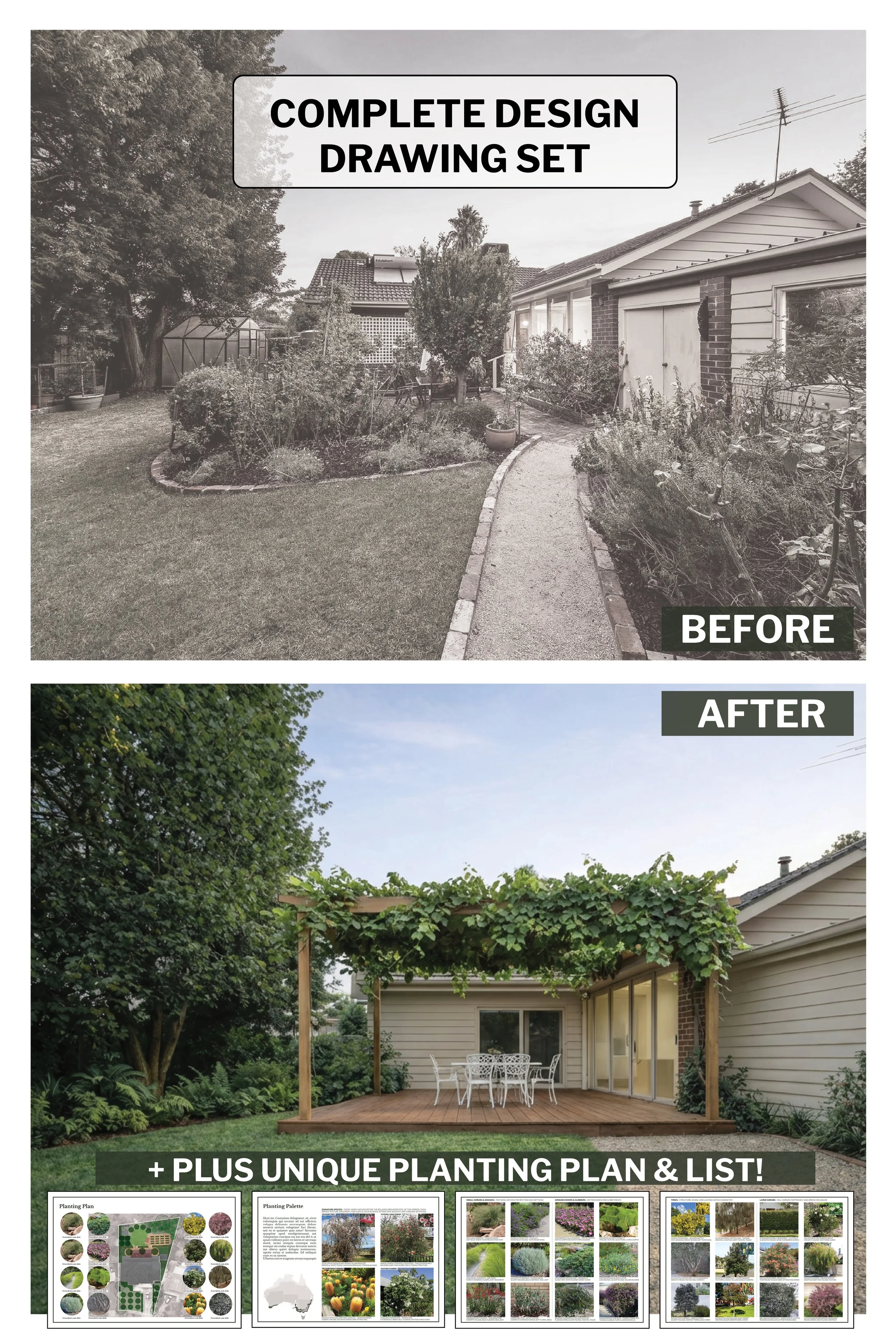
We take on limited clients each month so every garden plan receives proper care and attention.
The full package. Garden Design, Planting Design, Planting list and Build notes for those ready to go.
The Complete Plan is the most comprehensive Gramina Garden Plan. It brings together a fully bespoke garden theme, a site-specific design, and a resolved planting strategy into one clear, build-ready package. The result is a one-of-a-kind garden design that reflects how you want to live outdoors, shaped precisely to your site.
This plan is best for:
People who want a one of a kind garden, are ready to build and want all key design decisions resolved.
How it works
One-on-one video/phone conversation
You share your brief, aspirations, and priorities in a focused call that sets the foundation for the design.Send us your site photos
You send through photos of your garden and surrounding conditions to inform layout, scale, and character.We get to work
We develop a unique garden concept theme, a bespoke concept layout of your garden and create rendered views using your site photos to show how the space can transform.
What’s included in the Complete Plan
One-on-one detailed video/phone conversation
A dedicated conversation to understand your site, priorities, and aspirations before design begins.A fully unique Custom Garden Plan Theme
A one-of-a-kind garden theme created specifically from your brief, lifestyle, and site conditions.Bespoke Concept Layout
A clear, concept layout plan reflective of your custom theme.Up to 6 rendered views
Visualisations showing how your garden can transform, based on site images you provide.A Bespoke Planting Plan
A planting plan designed specifically for your site, climate, and layout, showing plant placement and structure.A Bespoke Planting Palette
A tailored plant Palette aligned with your planting plan, climate zone, and design intent.Build Notes
Clear guidance on installation steps, sequencing, and key considerations to support construction and implementation.Additional Moments (Optional)
Any additional moments you choose are integrated seamlessly into your bespoke concept plan.
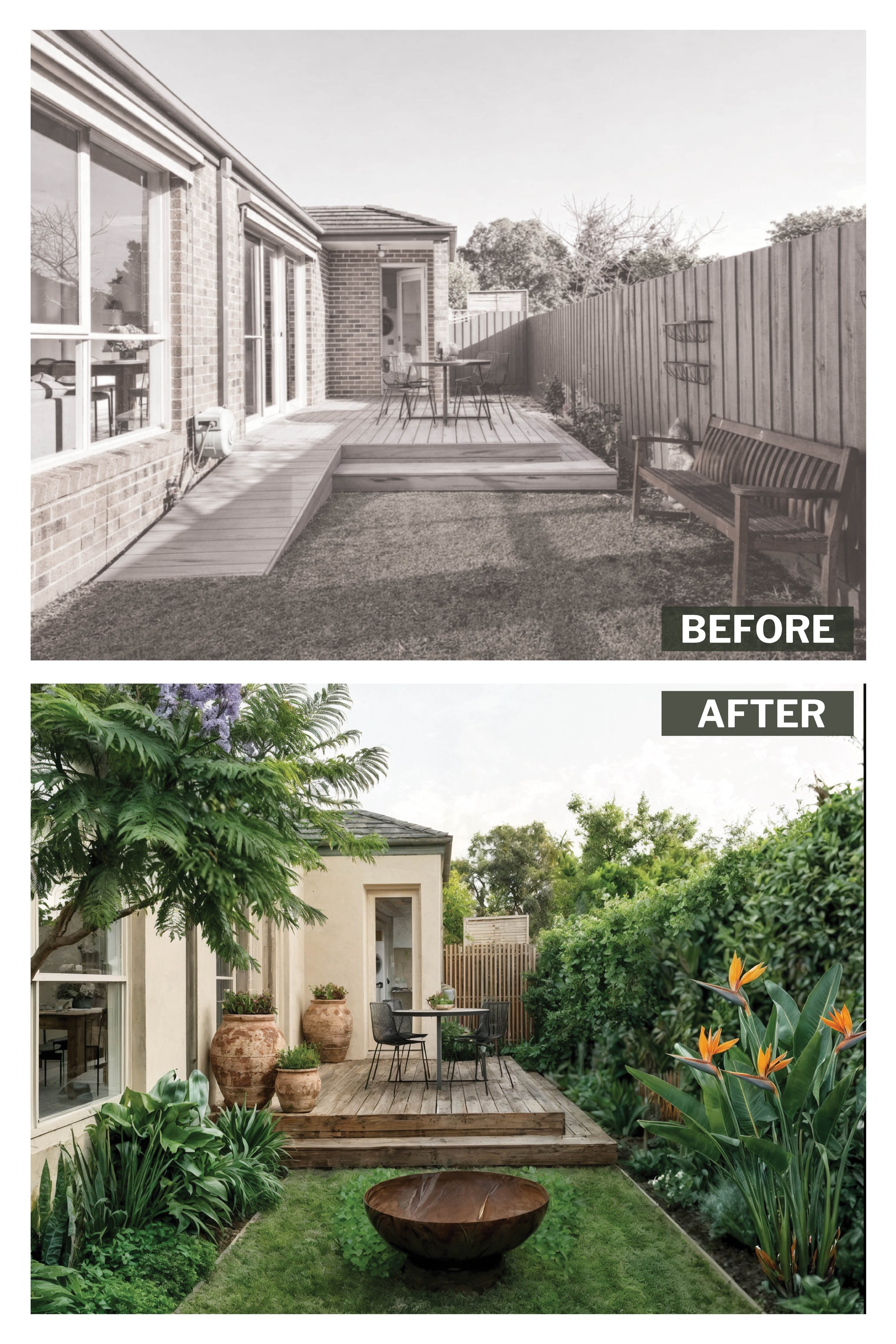
We take on limited clients each month so every garden plan receives proper care and attention.
Try a fully personalised garden theme, designed from your brief and shaped to your site.
A Personalised Plan begins with your ideas, priorities, and how you want to live outdoors. It is developed directly from your written brief, phone coversation, site conditions, and lifestyle, allowing the design to respond thoughtfully and precisely to your space.
The result is a garden concept guided by your words and aspirations.
This plan is best for:
People who want a unique new vision for their garden and are happy to make a few decisions on their own.
How it works
One-on-one video/phone conversation
You share your brief, aspirations, and priorities in a focused call that sets the foundation for the design.Send us your site photos
You send through photos of your garden and surrounding conditions to inform layout, scale, and character.We get to work
We develop a unique garden concept theme, a bespoke concept layout of your garden and create rendered views using your site photos to show how the space can transform.
What’s included in the Personalised Plan
One-on-one detailed video/phone conversation
A dedicated conversation to understand your site, priorities, and aspirations before design begins.A fully unique Custom Garden Plan Theme
A one-of-a-kind garden theme created specifically from your brief, lifestyle, and site conditions.Bespoke Concept Layout — a clear, concept layout plan reflective of your custom theme
Up to 6 rendered views
Visualisations showing how your garden can transform, based on site images you provide.Build Notes
Clear guidance on installation steps, sequencing, and key considerations to support construction and implementation.Additional Moments (Optional)
Any additional moments you choose are integrated seamlessly into your bespoke concept plan.
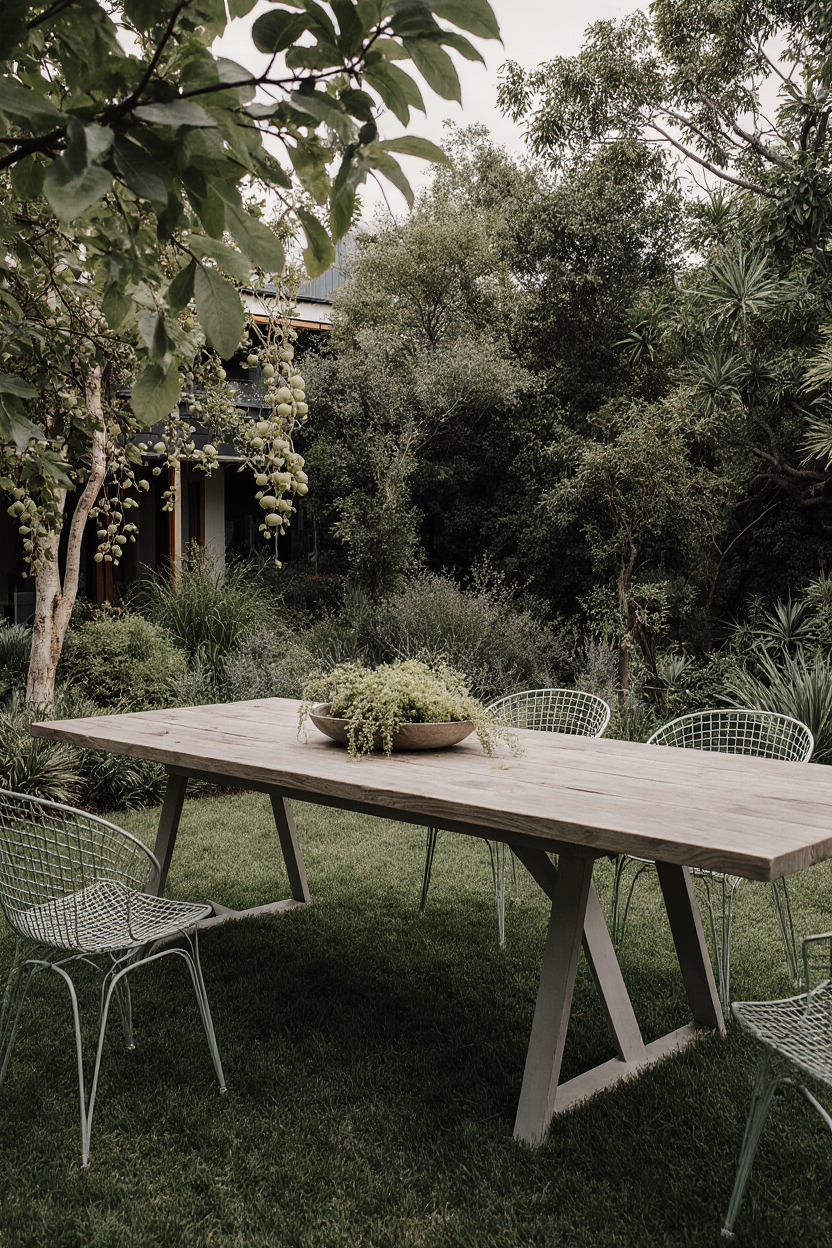
A simple, grounded garden plan inspired by the Australian bush — relaxed, resilient, and deeply connected to place.
Grounded Bush Garden captures the feel of the Aussie bush: informal paths, natural groupings of native shrubs, soft groundcovers, and a palette that feels unmistakably Australian. This plan embraces the textures, tones, and structure of our native landscapes, using hardy species that thrive with minimal care while supporting local wildlife. The layout is intentionally simple and low-intervention, creating a calm, open garden that feels natural rather than overly designed.
What’s included in your Grounded Bush Garden Plan
Bespoke Concept Layout — a relaxed, bush-inspired structure with natural flow and soft transitions.
Planting Palette — hardy natives selected for resilience, local ecology, and gentle bushland character.
Materials, Finishes & Lighting — grounded, natural materials and subtle lighting that complement native landscapes.
Build Notes — guidance for informal pathways, planting groupings, spacing, and long-term native care.
Additional Moments (Optional) — seamlessly integrated based on the Easy Native Living aesthetic.
After purchasing this Gramina Garden Plan, you’ll complete a short form with your site details. We’ll review everything to confirm the plan is a good fit for your property and climate. If anything doesn’t align, we’ll reach out to discuss options and ensure you get the right outcome for your garden.