
Different Ways Landscape Designers Work (And How to Get Advice)
When people start thinking about a new garden, one of the first questions they ask is how landscape designers actually work.
There is no single approach. Landscape designers offer a range of services depending on the complexity of the project, the level of involvement required and the budget available. Some people want a fully managed design process from beginning to end. Others are simply looking for guidance, ideas or a professional perspective.
Understanding the different ways designers structure their services makes it much easier to find the right fit for your project.
Below are some of the most common ways landscape designers work.
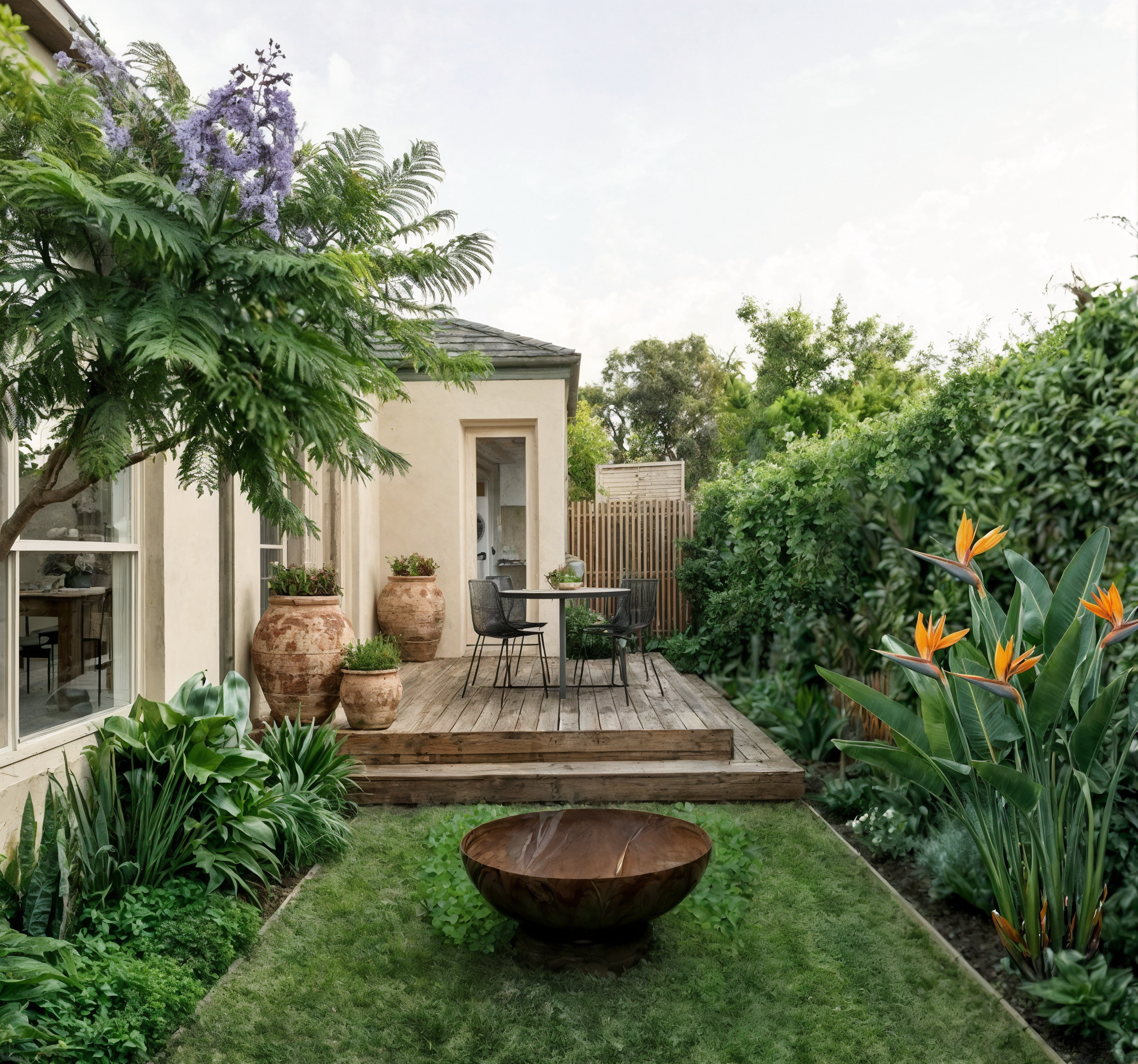
Finding the right person to create your dream garden is important.
Traditional Landscape Design Services
The traditional model of landscape design is a full design service from concept through to construction.
This arrangement usually involves a fixed design fee and covers the complete process of designing the garden. The designer works with the client to develop ideas, produce drawings, select plants and materials and prepare the documentation required for construction.
Design fees for this type of service often range between $5,000 and $20,000 or more, depending on the size and complexity of the project.
This approach works particularly well for larger gardens, complex sites or projects where many different elements need to be coordinated. It also suits people who would like the designer to guide the entire process and bring the project together from beginning to end.
Busy households, challenging sites or ambitious design briefs often benefit from this level of involvement.
Concept Design Only
Another common approach is a concept design service.
A concept design focuses on the big ideas of the garden. It establishes the general layout, planting direction and overall vision without moving into detailed construction drawings.
These services typically range between $2,000 and $10,000 depending on the scale of the project.
Concept design can be extremely helpful for homeowners who want to understand what is possible on their site before committing to a full design process. It provides a clear direction for the garden and can help guide later decisions around materials, planting and layout.
Concept plans are also frequently used for town planning or council approvals, particularly when a new house is being built and landscape drawings are required as part of the planning submission.
Hourly Landscape Advice
Some designers also offer services on an hourly basis.
Hourly rates commonly range from $100 to $400 per hour, depending on the designer’s experience and the type of consultation involved.
These sessions often take the form of a site visit, a design consultation or a focused discussion around a particular part of the garden.
Many people use hourly advice sessions as a way to test the waters with a designer. It allows them to ask questions, explore ideas and gain professional insight before deciding whether they would like to move forward with a larger design project.
In many cases these early conversations lead naturally into deeper design services as the project develops.
A New Approach: Gramina Garden Plans
In recent years new ways of delivering design advice have begun to emerge.
Gramina Garden Plans offer a streamlined approach that uses online tools, conversations and images to provide professional design guidance remotely. This approach focuses on making expert advice more accessible while maintaining the insight and experience of a trained landscape architect.
Rather than following a traditional studio model, the process happens entirely online. Clients share information about their garden through images, plans and conversation, and the design advice is developed from there.
Gramina plans range from $99 to $699, providing several levels of guidance depending on how much detail is required.
This model works beautifully for many different types of projects. It suits homeowners who are looking for professional advice, people who may not have found a designer in their local area, and those living in regional or remote locations where access to design services can be limited.
It also provides an excellent entry point for anyone who would like to work with a trained professional and gain confidence in the direction of their garden.
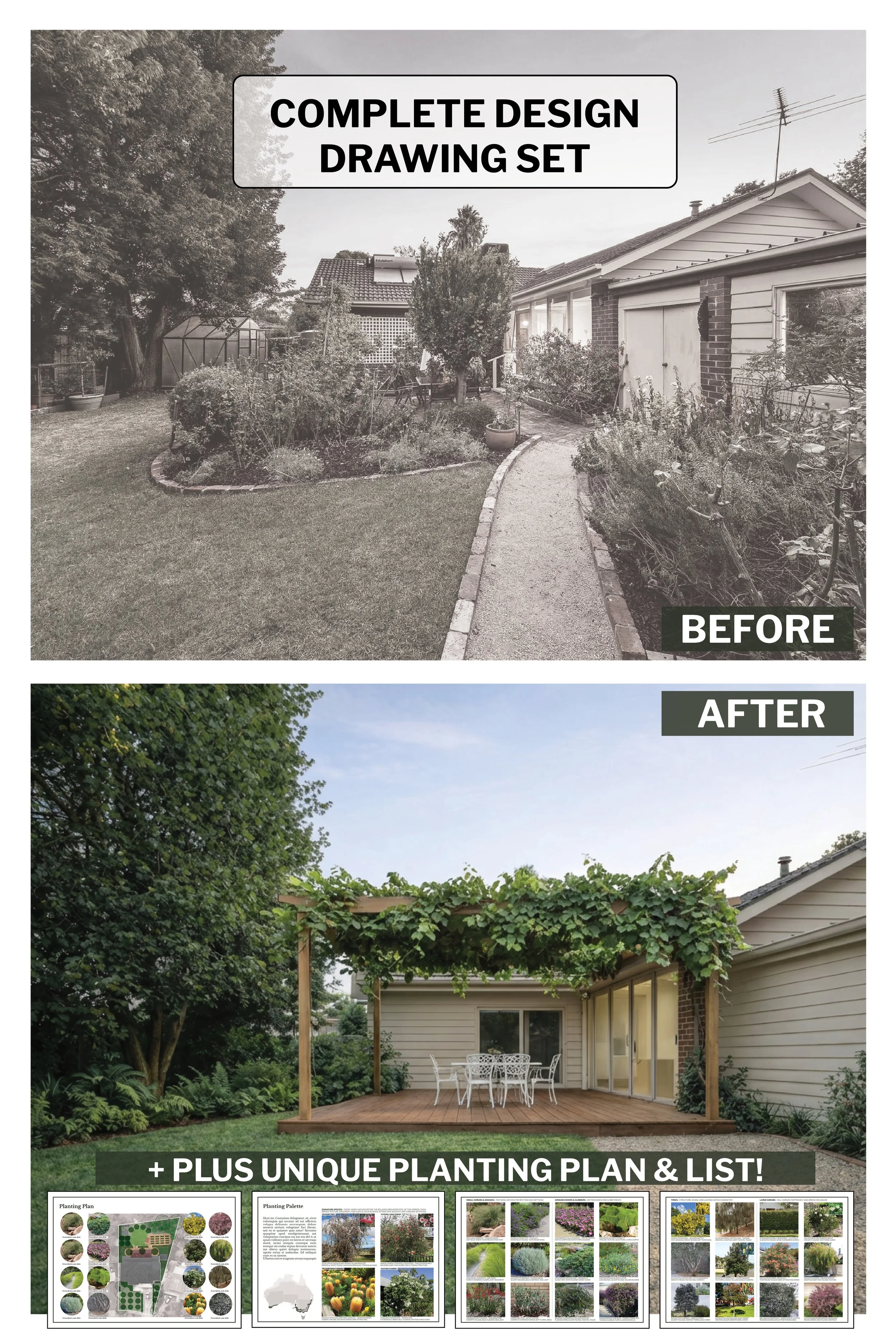
We take on limited clients each month so every garden plan receives proper care and attention.
The full package. Garden Design, Planting Design, Planting list and Build notes for those ready to go.
The Complete Plan is the most comprehensive Gramina Garden Plan. It brings together a fully bespoke garden theme, a site-specific design, and a resolved planting strategy into one clear, build-ready package. The result is a one-of-a-kind garden design that reflects how you want to live outdoors, shaped precisely to your site.
This plan is best for:
People who want a one of a kind garden, are ready to build and want all key design decisions resolved.
How it works
One-on-one video/phone conversation
You share your brief, aspirations, and priorities in a focused call that sets the foundation for the design.Send us your site photos
You send through photos of your garden and surrounding conditions to inform layout, scale, and character.We get to work
We develop a unique garden concept theme, a bespoke concept layout of your garden and create rendered views using your site photos to show how the space can transform.
What’s included in the Complete Plan
One-on-one detailed video/phone conversation
A dedicated conversation to understand your site, priorities, and aspirations before design begins.A fully unique Custom Garden Plan Theme
A one-of-a-kind garden theme created specifically from your brief, lifestyle, and site conditions.Bespoke Concept Layout
A clear, concept layout plan reflective of your custom theme.Up to 6 rendered views
Visualisations showing how your garden can transform, based on site images you provide.A Bespoke Planting Plan
A planting plan designed specifically for your site, climate, and layout, showing plant placement and structure.A Bespoke Planting Palette
A tailored plant Palette aligned with your planting plan, climate zone, and design intent.Build Notes
Clear guidance on installation steps, sequencing, and key considerations to support construction and implementation.Additional Moments (Optional)
Any additional moments you choose are integrated seamlessly into your bespoke concept plan.
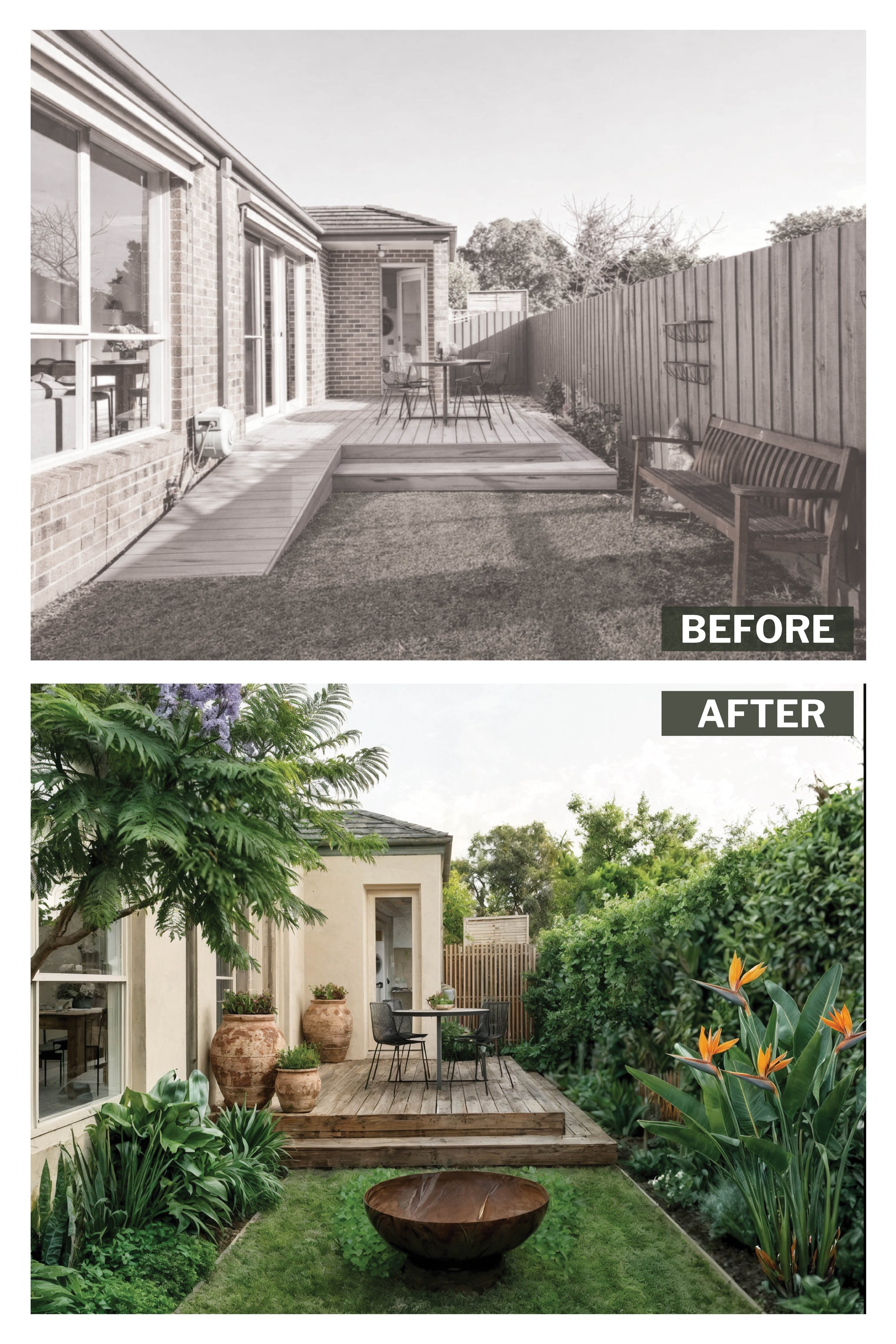
We take on limited clients each month so every garden plan receives proper care and attention.
Try a fully personalised garden theme, designed from your brief and shaped to your site.
A Personalised Plan begins with your ideas, priorities, and how you want to live outdoors. It is developed directly from your written brief, phone coversation, site conditions, and lifestyle, allowing the design to respond thoughtfully and precisely to your space.
The result is a garden concept guided by your words and aspirations.
This plan is best for:
People who want a unique new vision for their garden and are happy to make a few decisions on their own.
How it works
One-on-one video/phone conversation
You share your brief, aspirations, and priorities in a focused call that sets the foundation for the design.Send us your site photos
You send through photos of your garden and surrounding conditions to inform layout, scale, and character.We get to work
We develop a unique garden concept theme, a bespoke concept layout of your garden and create rendered views using your site photos to show how the space can transform.
What’s included in the Personalised Plan
One-on-one detailed video/phone conversation
A dedicated conversation to understand your site, priorities, and aspirations before design begins.A fully unique Custom Garden Plan Theme
A one-of-a-kind garden theme created specifically from your brief, lifestyle, and site conditions.Bespoke Concept Layout — a clear, concept layout plan reflective of your custom theme
Up to 6 rendered views
Visualisations showing how your garden can transform, based on site images you provide.Build Notes
Clear guidance on installation steps, sequencing, and key considerations to support construction and implementation.Additional Moments (Optional)
Any additional moments you choose are integrated seamlessly into your bespoke concept plan.
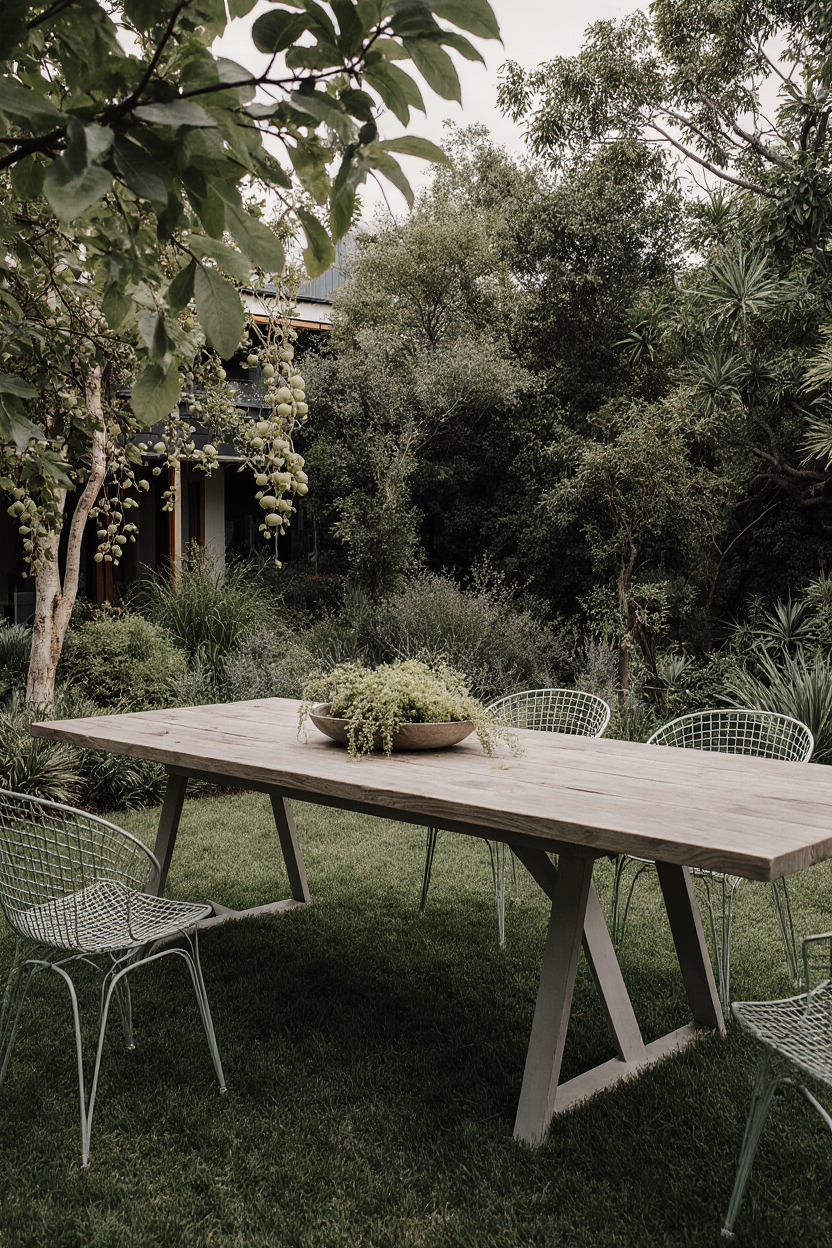
A simple, grounded garden plan inspired by the Australian bush — relaxed, resilient, and deeply connected to place.
Grounded Bush Garden captures the feel of the Aussie bush: informal paths, natural groupings of native shrubs, soft groundcovers, and a palette that feels unmistakably Australian. This plan embraces the textures, tones, and structure of our native landscapes, using hardy species that thrive with minimal care while supporting local wildlife. The layout is intentionally simple and low-intervention, creating a calm, open garden that feels natural rather than overly designed.
What’s included in your Grounded Bush Garden Plan
Bespoke Concept Layout — a relaxed, bush-inspired structure with natural flow and soft transitions.
Planting Palette — hardy natives selected for resilience, local ecology, and gentle bushland character.
Materials, Finishes & Lighting — grounded, natural materials and subtle lighting that complement native landscapes.
Build Notes — guidance for informal pathways, planting groupings, spacing, and long-term native care.
Additional Moments (Optional) — seamlessly integrated based on the Easy Native Living aesthetic.
After purchasing this Gramina Garden Plan, you’ll complete a short form with your site details. We’ll review everything to confirm the plan is a good fit for your property and climate. If anything doesn’t align, we’ll reach out to discuss options and ensure you get the right outcome for your garden.