
What’s the Best Way to Spend $100 on Garden Design?
If you’re standing at the beginning of a garden project, $100 can feel like an oddly specific amount. It’s clearly not enough to “design a garden” in the traditional sense, but it’s also not nothing. It sits right at the point where most people ask a very reasonable question:
What can I actually get for that — and is it enough to get me started?
Whether you’re thinking about a front garden, back garden, small backyard, or a larger landscape design that might eventually include a pool or outdoor living area, the real challenge at the start is rarely money or effort. It’s the unknowns. Not knowing what to prioritise, what decisions matter first, or whether you’re about to waste time and money going in the wrong direction.
This article is about what $100 can realistically do in garden design — and why, if spent well, it can be one of the most effective early investments you make.

One could easily spend $100 on a single gardening book or a new gardening tool, still with no clear plan foward on how it applies to their garden. Inspiration only gets you so far without a manageable way forward for your space.
The Real Cost of Starting Without a Plan
Before people spend $100 on garden design, they often spend money elsewhere instead — usually without realising it.
Common examples include:
Buying plants from Bunnings or local nurseries that don’t survive or don’t suit the space
Purchasing tools or materials before the layout is resolved
Planting reactively, then pulling things out later
Buying garden books, ebooks, or guides that offer general inspiration but aren’t specific to your site
Spending hours scrolling Instagram and Pinterest, hoping clarity will appear
None of these things are inherently bad. The problem is that they’re generic. They don’t respond to your block size, orientation, climate, or how you actually use your garden.
Others take a different route: they contact a landscape designer for an initial conversation, only to be surprised when the cost of “just getting started” runs into the thousands. A $1,000+ concept design can feel like a big leap when you’re still trying to work out what you want.
In both cases, the issue is the same: there’s no clear starting point that’s tailored to your property.
What $100 Actually Represents
In garden design, $100 isn’t buying construction, materials, or labour. What it represents instead is a low-risk entry point.
People understand intuitively that $100 will get them:
general advice
a sense of direction
help clarifying ideas they already have
What they’re really hoping for is something much more valuable:
a way to reduce uncertainty and gain momentum.
Used well, $100 should remove the fear of starting and replace it with a clear next step.
What You Can Realistically Get for $100
At around this price point, the best use of money in garden design is thinking, not doing.
A well-structured $100 investment can give you:
A real plan forward for your exact property
Clarity around ideas you may already be circling
Fewer choices, rather than endless options
A sequence of actionable steps — what to do first, second, and later
Confidence to proceed with DIY, partial DIY, or professional help
This applies equally to front garden design, backyard landscaping, small gardens, and early planning for more complex spaces. Even a backyard with a pool benefits enormously from early layout and circulation planning before any permanent decisions are made.
Most importantly, this kind of early garden planning gives you boundaries. Knowing what not to do is often just as valuable as knowing what to do.
What $100 Will Not Do (And That’s Okay)
It’s important to be honest about limitations.
$100 will not:
buy a landscape designer coming to your property in person
replace a full design and documentation process
resolve complex construction elements like retaining walls, drainage engineering, or detailed structural work
What it does buy is access to a landscape designer’s years of experience and judgement, applied efficiently.
For some gardens, this may actually be enough to complete planting, layouts, and details. For others — especially where construction is involved — it becomes a strong foundation before engaging further services.
Either way, it prevents you from starting blind.
Why This Is Often Better Than Spending More Too Early
One of the biggest mistakes people make is assuming they need to commit to a full landscape design service before they understand the problem they’re trying to solve.
Early-stage clarity allows you to:
approach designers or builders with a clearer brief
understand quotes more confidently
decide whether a local, in-person designer is actually required
stage your spending intelligently
Many people use this kind of early planning to test ideas for front gardens, refine back garden layouts, or understand how planting, paving, and outdoor spaces might work together before committing to detailed landscape design or construction.
Instead of reacting to advice or costs, you’re making decisions from a position of understanding.
Where Gramina Fits In
This is exactly the gap Gramina Garden Plans are designed to fill.
For around $100, Gramina provides:
a tailored garden plan for your specific site
professional landscape design thinking, clearly structured
a practical path forward — whether you continue DIY, partially DIY, or engage professionals
At the time of writing, we’re not aware of anyone else offering this level of site-specific landscape design guidance at this price point.
You’re not paying for meetings, site travel, or extended back-and-forth. You’re paying for focused expertise, applied where it has the most impact: right at the start.
The Best Way to Think About It
Spending $100 on garden design isn’t about trying to do everything cheaply. It’s about starting wisely.
It’s about replacing guesswork with direction, and hesitation with momentum.
If you’re feeling stuck, unsure, or overwhelmed — and you just want a clear way forward — this is often the smartest place to begin.
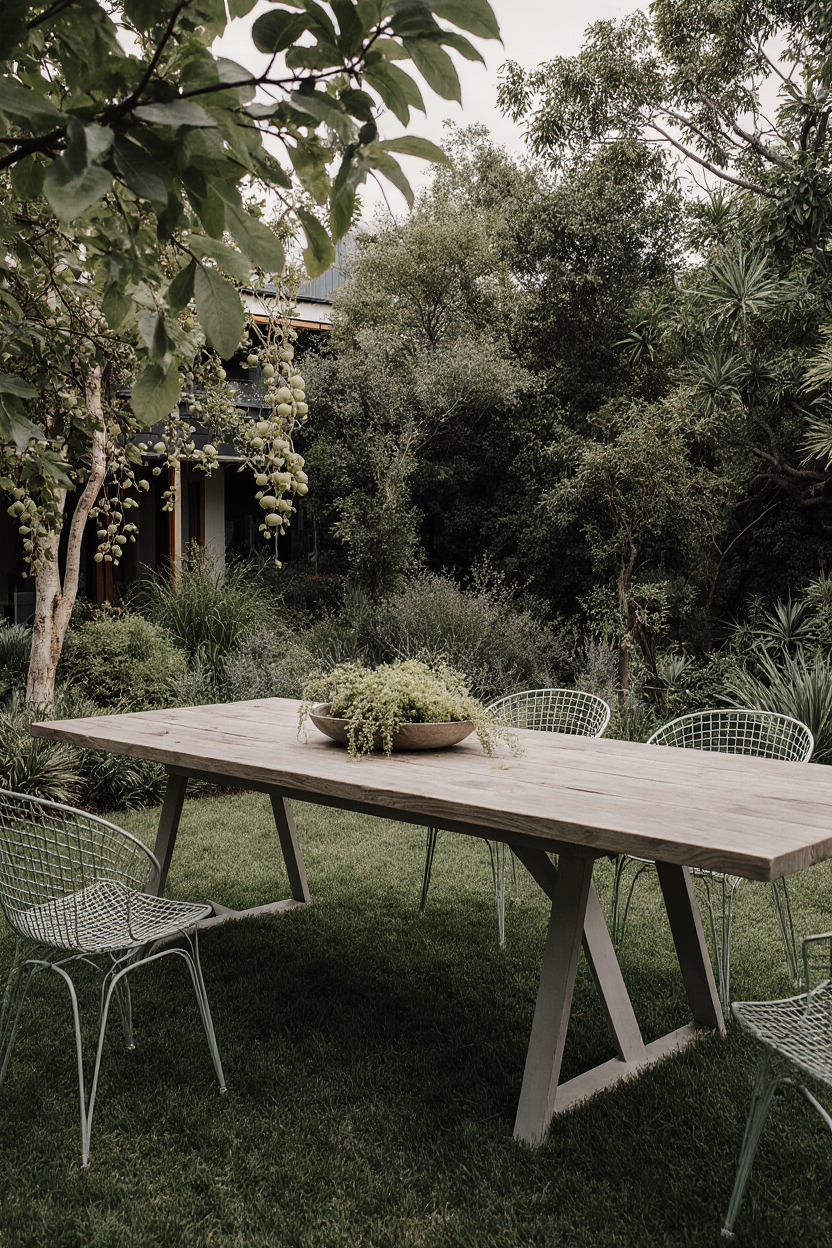
A simple, grounded garden plan inspired by the Australian bush — relaxed, resilient, and deeply connected to place.
Grounded Bush Garden captures the feel of the Aussie bush: informal paths, natural groupings of native shrubs, soft groundcovers, and a palette that feels unmistakably Australian. This plan embraces the textures, tones, and structure of our native landscapes, using hardy species that thrive with minimal care while supporting local wildlife. The layout is intentionally simple and low-intervention, creating a calm, open garden that feels natural rather than overly designed.
What’s included in your Grounded Bush Garden Plan
Bespoke Concept Layout — a relaxed, bush-inspired structure with natural flow and soft transitions.
Planting Palette — hardy natives selected for resilience, local ecology, and gentle bushland character.
Materials, Finishes & Lighting — grounded, natural materials and subtle lighting that complement native landscapes.
Build Notes — guidance for informal pathways, planting groupings, spacing, and long-term native care.
Additional Moments (Optional) — seamlessly integrated based on the Easy Native Living aesthetic.
After purchasing this Gramina Garden Plan, you’ll complete a short form with your site details. We’ll review everything to confirm the plan is a good fit for your property and climate. If anything doesn’t align, we’ll reach out to discuss options and ensure you get the right outcome for your garden.
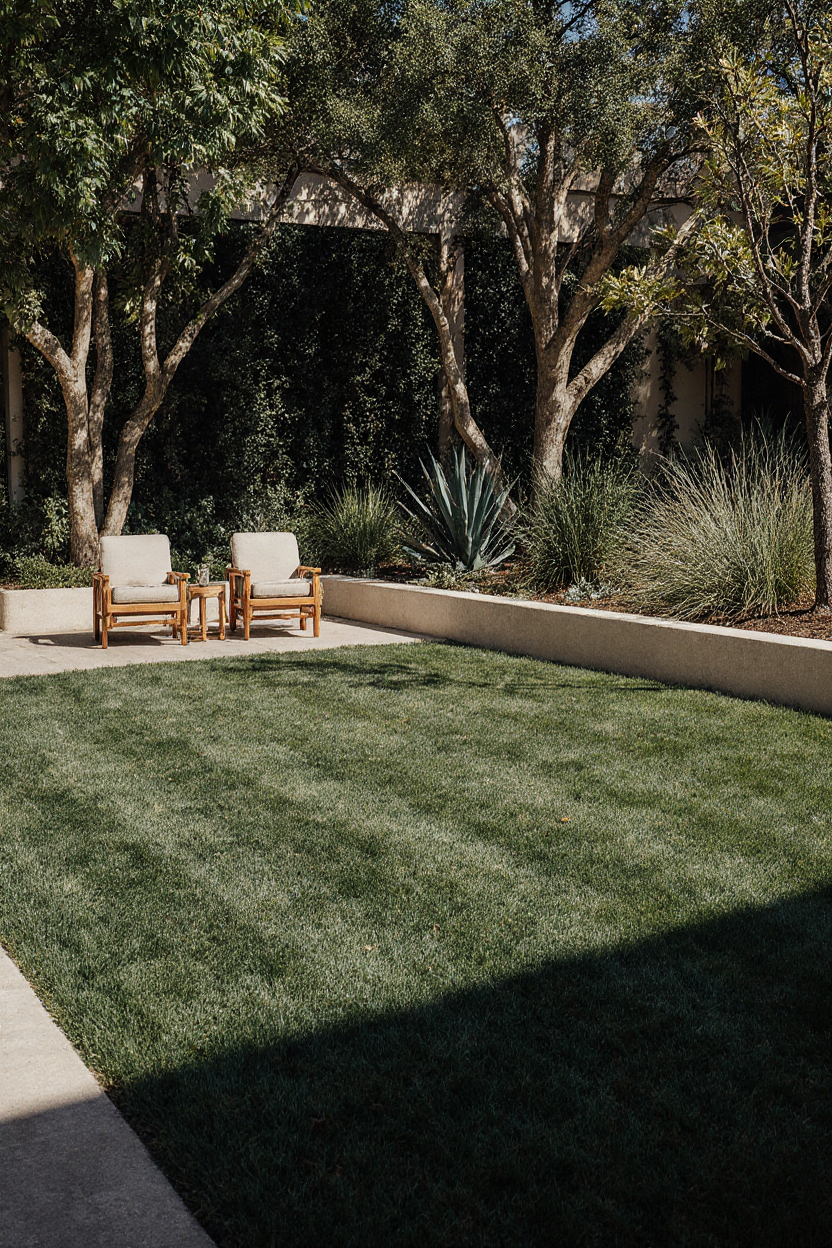
A low-maintenance garden plan designed for simple living. Durable, adaptable, and easy to care for.
A low-maintenance garden plan focuses on straightforward layouts and reliable planting that look good with minimal effort. Hardy natives and exotics, compact shrubs, and tough ground covers are selected for durability, low water use, and minimal pruning. Simple materials and clear structure keep the garden tidy and resilient over time, making it a practical choice for busy households, property owners, or anyone wanting an outdoor space that quietly works in the background.
What’s included in your Low Maintenance Plan
Bespoke Concept Layout — a clear, simple design structured for low maintenance and durability.
Planting Palette — a selection of hardy, drought-tolerant plants curated to suit your climate and the Low Maintenance theme.
Materials, Finishes & Lighting — recommended surfaces, fixtures, and lighting choices that support simple, long-lasting outdoor spaces.
Build Notes — guidance to help you understand installation steps, sequencing, and key considerations when bringing the plan to life.
Additional Moments (Optional) — any add-ons you choose will be integrated seamlessly into your bespoke concept plan.
After purchasing this Gramina Garden Plan, you’ll complete a short form with your site details. We’ll review everything to confirm the plan is a good fit for your property and climate. If anything doesn’t align, we’ll reach out to discuss options and ensure you get the right outcome for your garden.
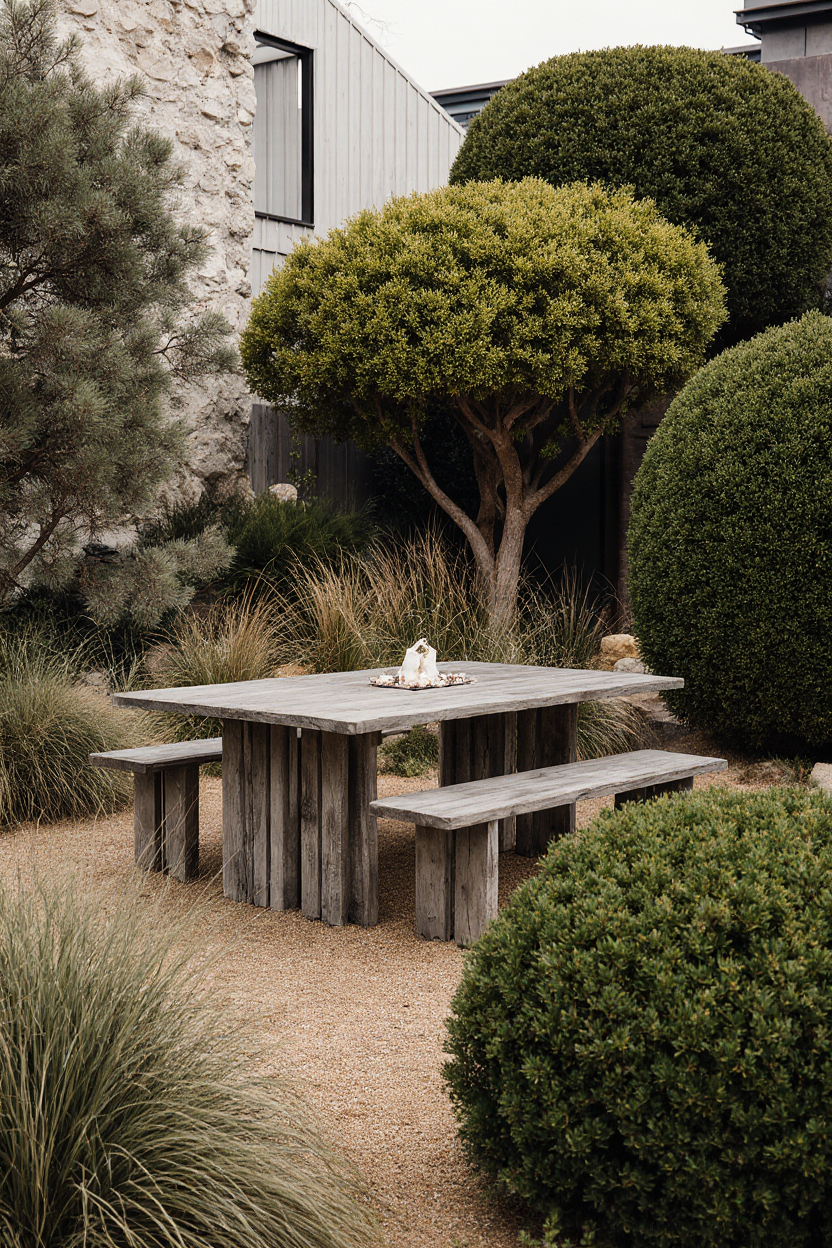
A sheltered coastal garden designed for calm, comfort, and everyday outdoor living in and around the beach.
Sheltered Coastal Retreat captures the relaxed rhythm of the coast while shaping outdoor spaces that feel protected and usable in tough coastal conditions. The design creates calm, sheltered areas that soften wind, sun, and salt, allowing the garden to be a place for unwinding, gathering, and slow outdoor living. Planting and materials are chosen for durability and resilience, weathering naturally over time while maintaining a clear, relaxed coastal character.
What’s included in your Costal Garden Plan
Bespoke Concept Layout — a site-specific layout that creates protected outdoor spaces with a coastal garden atmosphere
Planting Palette — a selection of hardy, drought-tolerant plants curated to suit your climate and the Costal Garden theme.
Materials, Finishes & Lighting — recommended surfaces, fixtures, and lighting choices that support simple, long-lasting outdoor spaces.
Build Notes — guidance to help you understand installation steps, sequencing, and key considerations when bringing the plan to life.
Additional Moments (Optional) — any add-ons you choose will be integrated seamlessly into your bespoke concept plan.
After purchasing this Gramina Garden Plan, you’ll complete a short form with your site details. We’ll review everything to confirm the plan is a good fit for your property and climate. If anything doesn’t align, we’ll reach out to discuss options and ensure you get the right outcome for your garden.