
Fire Pits, Outdoor Rooms, Studios and Granny Flats: When Backyard Ideas Work — and When They Break the Garden
The worst backyard setup I’ve ever seen wasn’t ugly or poorly built. It was a small suburban backyard divided neatly into three parts: half pool, a quarter garage, and a quarter of dead grass. No shade. No trees. Western sun blasting across the site every afternoon. The owners were good friends — thoughtful people who had invested real money trying to make the space better.
On paper, it had everything people search for: a backyard with pool, parking, and lawn. In reality, it barely worked as a garden at all. The pool dominated the space. The grass was too exposed to survive. The garage blocked light and airflow. There was nowhere comfortable to sit, nowhere shaded, and no flexibility left for the garden to evolve.
That backyard didn’t fail because pools, garages, or lawns are bad ideas. It failed because a series of good backyard ideas were added without ever being tested together.

An Australian suburban backyard designed around flexible space, with a modest plunge pool and native planting planned as part of a long-term layout rather than added later.
The Problem Isn’t Backyard Ideas — It’s Skipping the Process
People searching for backyard ideas, backyard landscaping ideas, or inspiration for fire pits, outdoor rooms, studios, or granny flats aren’t doing anything wrong. Thinking in terms of uses, rooms, and activities is often how people begin to imagine change.
The problem is when ideas are treated as solutions rather than inputs. An idea — a fire pit, an outdoor kitchen, a backyard studio — is cheap. Turning that idea into something real requires design, approvals, construction sequencing, and cost. When that process is skipped, people don’t usually fail dramatically. They fail quietly.
The garden becomes harder to use. Light is lost. Space is consumed. Future options disappear. The idea might technically work, but the garden as a whole is diminished.
Why Backyard Structures Often Break Gardens
Elements like fire pits, outdoor rooms, sheds, studios, and backyard granny flats are all large, fixed objects. Once they’re built, they don’t move. Their impact isn’t just about footprint — it’s about what they do to light, circulation, planting depth, and flexibility.
The most common mistake isn’t style or quality, but sequence. These elements are often added one by one: a fire pit to create atmosphere, an outdoor kitchen to encourage entertaining, a backyard shed or studio to solve storage or working-from-home needs.
Individually, each decision makes sense. Collectively, they can fragment a backyard beyond repair if there’s no overall structure holding them together.
Plants Are the Structure, Not the Decoration
One of the biggest blind spots in backyard landscaping is the role of planting. In many failed gardens, plants are treated as decoration — something added at the end to soften edges once the “real” stuff is built.
In successful gardens, planting is the structure that everything else responds to.
Plants define space, create shade, moderate heat, filter wind, and make outdoor rooms comfortable. Without them, a fire pit is exposed. An outdoor dining area is unusable. A backyard studio feels harsh and disconnected. A granny flat blocks light instead of sitting within a landscape.
When plants are left until last, they’re forced to work around decisions they should have informed from the start.
Fit Matters More Than the Idea Itself
None of these elements are inherently good or bad. A backyard studio can activate a garden beautifully, creating daily engagement and life. It can also block light and kill planting if poorly located. A granny flat in the backyard can support family life — or permanently compromise the garden if scale and orientation aren’t resolved.
What separates success from failure is fit.
Elements that work well are usually:
sized appropriately for the site
positioned with sun and planting in mind
tested before being built
introduced at the right time in the garden’s life
They feel inevitable once built, not imposed.
Why Testing Before Building Changes Everything
The common thread in successful backyard structures is that they were planned before they were built.
They were tested in low-risk environments — sketches, plans, and sometimes 3D models — where scale, placement, and impact could be understood without consequence. This allows bad ideas to fail cheaply and good ideas to be refined before money is spent.
This process also brings approvals into the conversation early. Councils often have more influence than people expect, particularly when projects tip into planning approval rather than simple building approval. Understanding this upfront prevents wasted time and compromised outcomes later.
Where Gramina Fits In
This is exactly where early-stage design adds disproportionate value. A Gramina Garden Plan allows backyard ideas — fire pits, outdoor rooms, outdoor kitchens, studios, sheds, and granny flats — to be tested together before anything is built.
It doesn’t lock you into construction. It gives you clarity about what fits, what doesn’t, and what might work later. For many people, that’s enough to move forward confidently. For others, it becomes the foundation for more detailed design and approvals down the track.
Either way, it ensures that backyard ideas strengthen the garden — rather than quietly breaking it.
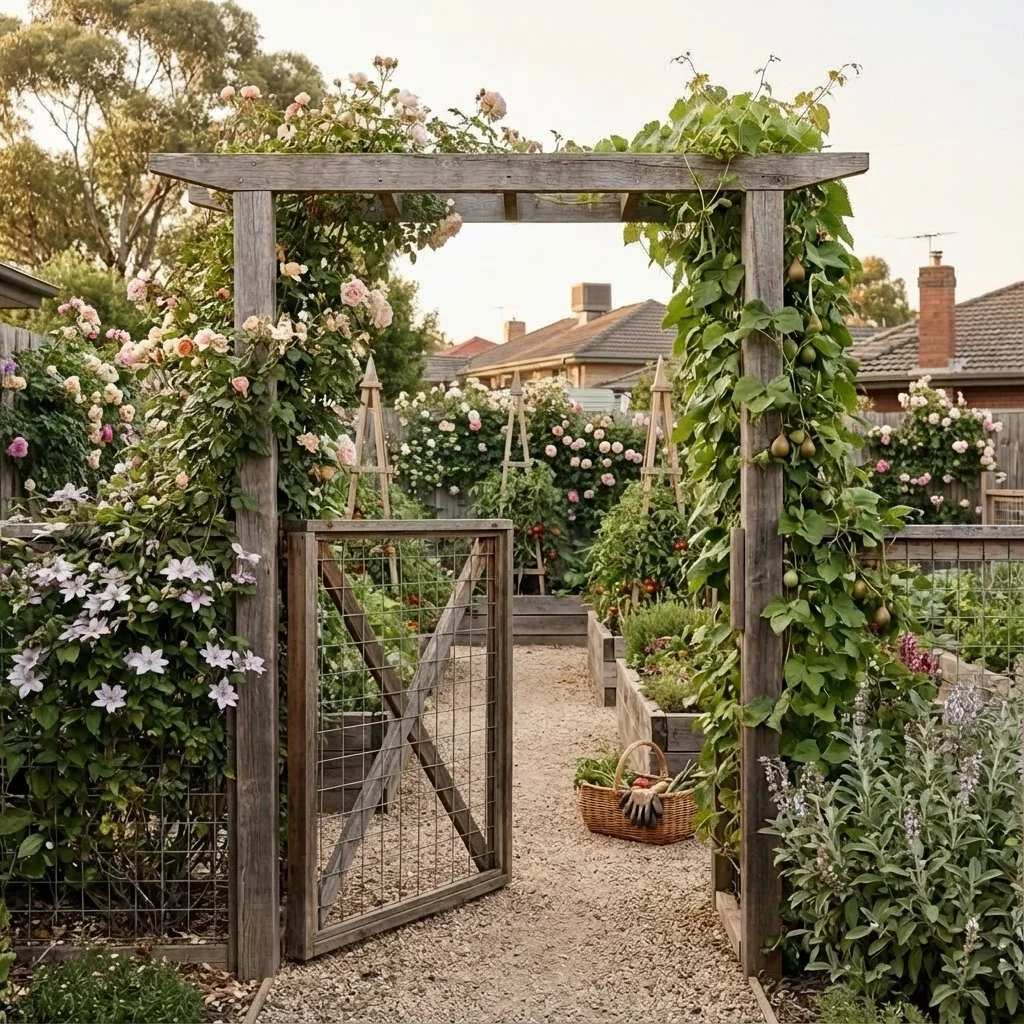
A garden shaped by seasons, habits, and the quiet satisfaction of growing food.
Productive Patch is about settling into a slower, more attentive rhythm — noticing the seasons change, harvesting what’s ready, and building small rituals around growing and eating. It’s the pleasure of stepping outside to check what’s thriving, picking herbs moments before cooking, and gradually becoming someone who lives with the garden rather than managing it. Beneath that feeling sits a clear, considered layout that shows how to arrange a veggie garden for success, working with sun, shade, edges, and access. Beds are positioned to support seasonal crops, perennials, and longer-term producers together, creating strong practical foundations. The result is a garden that feels generous and achievable, where productivity supports everyday life rather than competing with it.ple, resilient layout and styling creates a tidy, appealing outdoor space that suits both long-term rentals and low-impact improvements.
What’s included in your Veggie Garden Plan
Bespoke Concept Layout — A garden layout for your site designed to optimise sunlight, access, and bed arrangement for productive food growing.
Planting Palette — A curated mix of seasonal crops, perennial edibles, and longer-term productive plants suited to your climate and growing conditions.
Materials, Finishes & Lighting — Practical, durable recommendations for beds, paths, edges, and working surfaces that support everyday use and seasonal change.
Build Notes — guidance to help you understand installation steps, sequencing, and key considerations when bringing the plan to life.
Additional Moments (Optional) — any add-ons you choose will be integrated seamlessly into your bespoke concept plan.
After purchasing this Gramina Garden Plan, you’ll complete a short form with your site details. We’ll review everything to confirm the plan is a good fit for your property and climate. If anything doesn’t align, we’ll reach out to discuss options and ensure you get the right outcome for your garden.
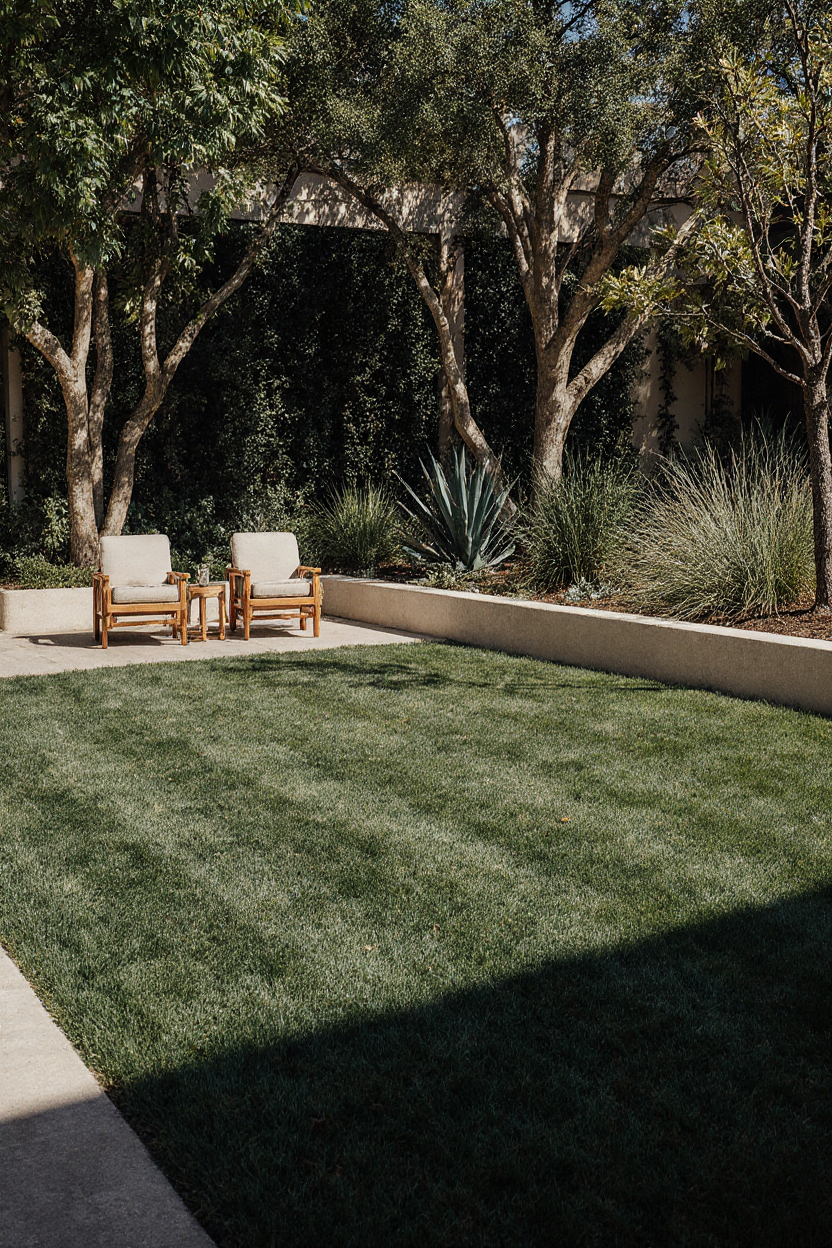
A low-maintenance garden plan designed for simple living. Durable, adaptable, and easy to care for.
A low-maintenance garden plan focuses on straightforward layouts and reliable planting that look good with minimal effort. Hardy natives and exotics, compact shrubs, and tough ground covers are selected for durability, low water use, and minimal pruning. Simple materials and clear structure keep the garden tidy and resilient over time, making it a practical choice for busy households, property owners, or anyone wanting an outdoor space that quietly works in the background.
What’s included in your Low Maintenance Plan
Bespoke Concept Layout — a clear, simple design structured for low maintenance and durability.
Planting Palette — a selection of hardy, drought-tolerant plants curated to suit your climate and the Low Maintenance theme.
Materials, Finishes & Lighting — recommended surfaces, fixtures, and lighting choices that support simple, long-lasting outdoor spaces.
Build Notes — guidance to help you understand installation steps, sequencing, and key considerations when bringing the plan to life.
Additional Moments (Optional) — any add-ons you choose will be integrated seamlessly into your bespoke concept plan.
After purchasing this Gramina Garden Plan, you’ll complete a short form with your site details. We’ll review everything to confirm the plan is a good fit for your property and climate. If anything doesn’t align, we’ll reach out to discuss options and ensure you get the right outcome for your garden.
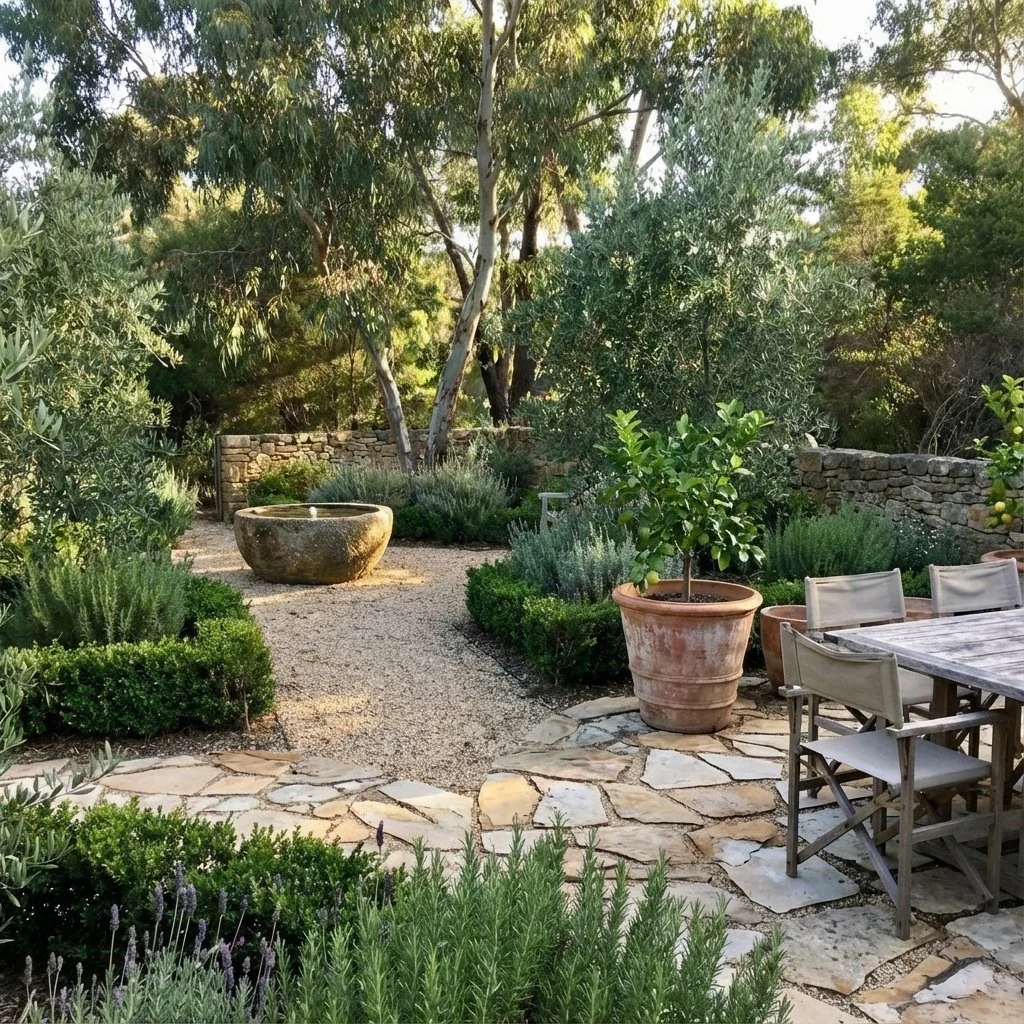
A relaxed, shaded garden inspired by Mediterranean living, shaped for Australian conditions.
A Mediterranean garden plan in an Australian context is about atmosphere, rhythm, and ease. It supports long afternoons outdoors, shared meals, and the simple pleasure of lingering outside. The design balances sun and relief, openness and enclosure, creating a garden that feels comfortable and usable across the seasons. Natural, honest materials give the space weight and timelessness, while resilient planting ensures the garden remains beautiful through heat and dry periods. The result is a warm, social setting grounded in everyday outdoor living.
What’s included in your Mediterranean Garden Plan
Bespoke Concept Layout — a clear, site-specific layout shaping relaxed outdoor spaces for everyday use.
Planting Palette — hardy, climate-suited plants selected for longevity, texture, and Mediterranean character.
Materials, Finishes & Lighting — natural surfaces and warm lighting that age well and feel timeless.
Build Notes — guidance to help you understand installation steps, sequencing, and key considerations when bringing the plan to life.
Additional Moments (Optional) — any add-ons you choose will be integrated seamlessly into your bespoke concept plan.
After purchasing this Gramina Garden Plan, you’ll complete a short form with your site details. We’ll review everything to confirm the plan is a good fit for your property and climate. If anything doesn’t align, we’ll reach out to discuss options and ensure you get the right outcome for your garden.